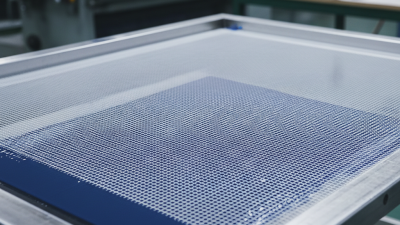
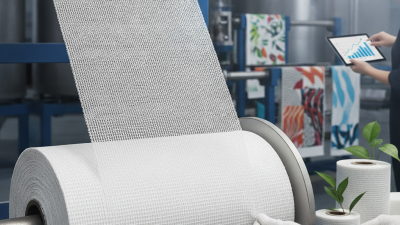
Top Tips for Choosing the Right Polyester Printing Mesh?
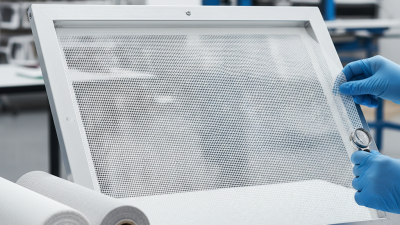
Choosing the right Polyester Printing Mesh is crucial for achieving high-quality prints. The variety of options can be overwhelming. Several factors influence your decision. These include mesh count, thread diameter, and fabric composition. Each element impacts ink transfer and image clarity.
Different projects require different specifications. For instance, a high mesh count may be ideal for fine details. However, it can limit ink flow. On the other hand, a lower mesh count allows more ink but may blur the details. Weighing these trade-offs is vital for successful results.
Experts recommend testing various meshes before making a final choice. Knowledge of your printing techniques will guide you. It’s essential to understand how different Polyester Printing Mesh interacts with inks and substrate. This understanding builds reliability and trust in your printing process.
Understanding Polyester Printing Mesh Types and Their Applications
When selecting a polyester printing mesh, understanding the types and their applications is crucial. Polyester mesh comes in various weaves and thread counts. The choice affects print quality and durability. For instance, a finer mesh is ideal for detailed designs. It captures intricate patterns effectively. Coarser meshes work better for bold graphics. They allow more ink flow, making them suitable for larger designs.
Consider the application. For textile printing, choosing the right mesh ensures vibrant colors. If the mesh is too coarse, colors may appear washed out. For UV printing, a polyester mesh with a tighter weave can help achieve better resolution. The chosen mesh impacts both the outcome and production speed.
Evaluating the right polyester printing mesh can be challenging. Each project may require a different approach. It's important to test various options before settling on one. Spending time on this process can save costly mistakes later. Balancing between quality and cost is essential, as the right choice can enhance your final product.
Key Factors to Consider When Selecting Polyester Mesh for Printing
Choosing the right polyester printing mesh is crucial for any printing project. One key factor to consider is the mesh count. Higher mesh counts allow for finer details in prints. Yet, they may not hold enough ink, impacting color saturation. It’s a balance that requires careful thought.
Another important aspect is the thread diameter. Thicker threads can result in more durable prints, but they can also reduce detail. For intricate designs, thinner threads might be preferable. You should assess your specific needs and design complexity to make the right choice.
Don't forget about the mesh tension. Proper tension affects how ink flows through the mesh. Too tight can cause issues with ink release; too loose can lead to blurring. Testing different tensions may reveal what works best for your project. This process is not always straightforward and may require adjustments along the way. Consider these factors and take your time to ensure a successful printing outcome.
Evaluating Mesh Thread Count and Its Impact on Printing Quality
When selecting the right polyester printing mesh, evaluating the mesh thread count is crucial. Thread count greatly affects print quality. A higher thread count results in finer detail and improved color reproduction. Industry reports suggest that mesh with 300 threads per square inch (TPI) can capture intricate designs better than those with a lower count. However, this comes at a cost; higher thread counts may limit ink flow, potentially resulting in clogging.
Balancing thread count with printing requirements can be challenging. For instance, a mesh with 200 TPI may allow for more ink to pass through, supporting vibrant color output. Yet, this can sacrifice detail in the final print. Professional printers often face the dilemma of choosing visibility over precision. They may need to experiment with various thread counts to find what best suits their projects. Many recommend starting with a mid-range thread count of around 250 TPI for versatility.
It's essential to consider fabric type, as well. Polyester meshes vary in stiffness and stretch, which can also influence print results. A mesh that is too rigid might not conform to the substrate well, leading to uneven prints. The industry data shows that many successful prints result from trial and error in choosing the right mesh. It's a process that encourages continuous learning and adaptation.
Assessing Durability and Maintenance Needs of Polyester Mesh
When choosing a polyester printing mesh, durability is crucial. A strong mesh can withstand repeated use without degrading. Look for materials that resist tearing and wear. High-quality mesh will maintain its shape during printing. This is essential for consistent output. Regular inspections can help identify any early signs of wear.
Maintenance needs are also important to consider. Polyester mesh can accumulate ink residue and dust over time. Regular cleaning is necessary to extend the lifespan. Use appropriate cleaning solutions that do not damage the fibers. However, over-cleaning can weaken the mesh. Finding the right balance is key.
Selecting the right mesh involves evaluating both durability and maintenance. Some users may overlook how cleaning affects longevity. While some options may seem appealing due to price, consider their long-term performance. Heavy-duty options may require more initial investment but offer better durability. This can lead to less frequent replacements, which saves money over time.
Top Tips for Choosing the Right Polyester Printing Mesh
| Feature |
Description |
Durability Rating |
Maintenance Needs |
| Mesh Count |
Indicates the number of threads per square inch; higher count allows for finer details. |
High |
Regular cleaning to prevent ink clogging. |
| Fabric Thickness |
Refers to the gauge of the mesh; affects the flow of ink and durability. |
Medium |
Occasional checks for wear and tear. |
| Chemical Resistance |
Ability to withstand various inks and cleaning agents without damage. |
Very High |
Use suitable chemicals for cleaning. |
| Stretchability |
Capacity of the mesh to stretch; important for registration accuracy. |
Varies |
Periodic tension adjustments recommended. |
| UV Resistance |
Measures how well the mesh can resist degradation from UV exposure. |
High |
Keep away from direct sunlight when not in use. |
Comparing Cost and Performance of Different Polyester Mesh Brands
Choosing the right polyester printing mesh involves considering both cost and performance. Different brands offer varying durability and print quality. Some may advertise lower prices, but this can mean sacrificing performance. Assessing the fabric’s thread count and weave is essential for high-resolution printing. A finer mesh often provides better detail but can slow down ink flow, affecting production speed.
When comparing brands, it's crucial to analyze reviews and user feedback. Many printers share experiences online, which can be an invaluable resource. However, not all feedback is equal; some may be biased. Look for consistent themes across multiple sources. This approach helps identify reliable options versus those that fall short.
Also, consider the environmental impact of your mesh choice. Some polyester materials are more sustainable than others. This aspect can influence both the cost and the performance of the final product. Reflecting on these details ensures a well-informed decision that balances budget and quality effectively.