Essential Tips for Choosing Polyester Printing Mesh for Quality Prints?
When considering the significance of quality prints in the textile and graphic industries, choosing the right polyester printing mesh is essential. According to a 2022 market analysis by Smith and Associates, the global demand for polyester mesh products has increased by 15% annually. This uptick reflects the critical role such materials play in achieving vibrant, durable prints. Industry expert Dr. Jane Thompson states, "The choice of polyester printing mesh directly impacts print quality and efficiency." Her insights drive home the importance of informed decision-making.
Polyester printing mesh varies significantly in terms of thread count, mesh size, and fabric composition. These factors affect not only the print quality but also the production speed and cost-effectiveness. For instance, a finer mesh offers better detail but can slow down production rates. Conversely, a coarser mesh may increase throughput but sacrifices some quality. Many printers struggle with understanding these trade-offs and often overlook how mesh characteristics can influence their final output.
Selecting the right polyester printing mesh isn't merely a technical choice; it reflects a deeper understanding of the printing process. Attention to detail in mesh selection can lead to substantial improvements in print quality. However, many in the industry remain unaware of this impact, resulting in less than optimal outcomes. The key lies in balancing quality with practicality while ensuring that each choice aligns with the final vision of the printed product.
Understanding Polyester Printing Mesh Types and Their Characteristics
Choosing the right polyester printing mesh is crucial for high-quality prints. Various types of polyester printing mesh are available, each with unique characteristics. Understanding these types can help you make informed decisions.
For example, monofilament mesh features single strands that provide excellent clarity. It’s ideal for detailed designs and intricate prints. On the other hand, multifilament mesh comprises multiple strands, offering greater durability but less clarity. Therefore, it is suitable for thicker inks and heavier applications. When selecting mesh, consider the design complexity and intended ink type.
Tips: Always check the mesh count. A higher count often results in sharper images but can limit ink flow. Also, consider thread thickness. Thinner threads provide better resolution, while thicker threads support more robust applications. Experimenting with different mesh types can lead to unexpected results. This trial and error approach can advance your printing quality.
Essential Tips for Choosing Polyester Printing Mesh for Quality Prints
Key Factors Influencing Printing Quality with Polyester Mesh
When choosing polyester printing mesh, several factors play a crucial role in the quality of your prints. Mesh count is one key element. A higher mesh count often results in finer detail. However, too fine a mesh can lead to ink retention issues, affecting vibrancy. Balancing the mesh count with your specific needs is important.
Another critical aspect is the thread diameter. Thinner threads allow for more ink to pass through, enhancing color impact. But beware—using too thin of a thread can compromise durability. It's essential to select a thread diameter that aligns with the types of designs you typically print.
For optimal results, consider the design complexity. Simpler designs might benefit from a coarser mesh, while intricate patterns demand finer options. Testing different combinations is vital in discovering what works best for your specific printing requirements. Experimentation can lead to both successes and room for improvement. Always reflect on your previous prints to guide your future choices.
Essential Tips for Choosing Polyester Printing Mesh for Quality Prints
| Factor |
Description |
Influence on Quality |
| Mesh Count |
Number of threads per inch; higher counts produce finer details. |
Critical for achieving resolution in prints. |
| Thread Thickness |
Diameter of the threads; affects ink flow and detail. |
Thicker threads may limit detail but enhance durability. |
| Fabric Composition |
Blend of polyester and other materials; impacts flexibility and stability. |
Affects the printing process and the end result. |
| Open Area |
Percentage of open space in the mesh; allows ink passage. |
Directly correlates to ink coverage and print saturation. |
| Tension |
Stretch of the mesh before printing; determines consistency. |
Higher tension can lead to sharper prints. |
| Coating Type |
Surface treatment of the mesh; enhances ink adhesion. |
Crucial for compatibility with ink types. |
Determining the Right Mesh Count for Your Printing Needs
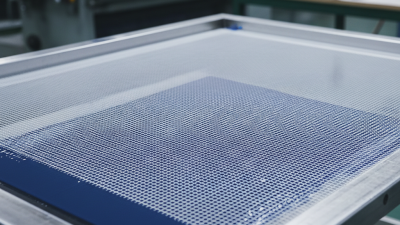
When selecting a polyester printing mesh, mesh count is a crucial factor. The mesh count refers to the number of threads per square inch in the mesh fabric. Higher mesh counts are ideal for fine details and intricate designs. They can produce clearer and sharper images. However, using a mesh that is too fine may restrict ink flow. It's a delicate balance that requires careful consideration.
For thicker inks, a lower mesh count is recommended. This allows for better ink transfer and bolder prints. Conversely, a higher mesh count works well with thinner inks, but may not capture bold colors effectively. You might find that experimenting with different mesh counts leads to a better understanding of your unique printing needs.
It’s important to reflect on your printing goals before making a final decision. Obtaining sample prints using various mesh counts can provide insight. Trial and error can lead to unexpected results, revealing both strengths and weaknesses in your process. Finding the right mesh count involves patience and some level of risk, yet the rewards can significantly improve print quality.
Evaluating Durability and Longevity of Polyester Printing Mesh
When choosing polyester printing mesh, durability and longevity stand out as key factors. Industry reports indicate that high-quality polyester mesh can significantly enhance the lifespan of printed textiles. For instance, a study by the Printing Industries of America noted that the right mesh type could double the number of successful prints achieved before wear becomes an issue.
To ensure durability, consider the micron rating of the mesh. A lower micron count typically means a tighter weave. This tightness can withstand repeated use without fraying or losing its integrity. Reports suggest that mesh with a 38-micron count can yield optimal performance for most applications. However, some users have found that over time, even high-quality meshes can show signs of wear, reminding us that regular maintenance is essential.
Another aspect to consider is the compatibility of mesh with various inks. Choosing the wrong type can cause premature failure. Data shows that using solvent-based inks on standard polyester meshes may not yield the expected longevity. In contrast, specialized meshes designed for specific inks demonstrate better durability. It’s essential to do thorough testing on selected materials, as the interplay between ink and mesh affects the final print quality. Reflecting on these variables is crucial for achieving lasting results in printing.
Best Practices for Maintenance and Care of Printing Mesh
Maintaining your polyester printing mesh is crucial for quality prints. Proper care extends the lifespan of the mesh and improves printing results. Start by cleaning the mesh after each use. Use a gentle detergent and warm water. Avoid harsh chemicals which can damage the fibers. Rinse thoroughly to eliminate any residues. Ensure that the mesh dries completely before storing it.
Storage is another important aspect of maintenance. Roll or fold the mesh carefully to prevent creasing or warping. Avoid placing heavy items on top of it, as this can lead to permanent damage. Keep the mesh in a cool, dry place to prevent mold growth. Inspect the mesh regularly for wear and tear. Small issues can turn into big problems if ignored.
Handling the mesh with care during the printing process is equally essential. Avoid pulling or stretching it too tightly on the frame. This can cause distortion and affect print quality. Ensure that you are using the correct mesh tension for the ink type and printing method. Experimenting may yield better outcomes, but be mindful of necessary adjustments to prevent damage. Regularly reflecting on these practices will help you achieve the best prints.