Top 10 Benefits of Using Polyester Printing Mesh in Industries?
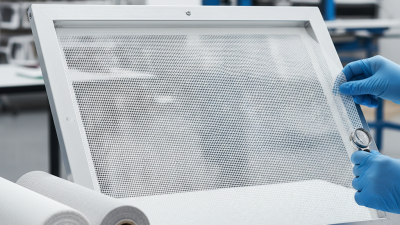
In recent years, the use of Polyester Printing Mesh has gained traction in various industries. This material plays a crucial role in printing applications, thanks to its durability and versatility. According to a report by MarketsandMarkets, the global mesh materials market is expected to reach $1.1 billion by 2026. This growth is attributed to the increasing demand for high-quality printing processes.
Dr. Emily Chen, a recognized expert in industrial textiles, emphasizes the importance of Polyester Printing Mesh, stating, "Its unique properties greatly enhance print accuracy and durability." This insight underlines the mesh's role in achieving superior results in different applications, from textiles to electronics.
Moreover, users often appreciate the cost-effectiveness of Polyester Printing Mesh. It allows for efficient production without compromising quality. However, early adopters have noted challenges in selecting the right mesh for specific tasks. Industry experts suggest ongoing education and testing to mitigate these issues. The evolving landscape indicates a need for continuous adaptation and innovation to maximize the benefits of Polyester Printing Mesh in various sectors.
Advantages of Polyester Printing Mesh in Textile Applications
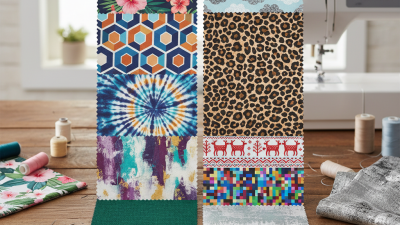
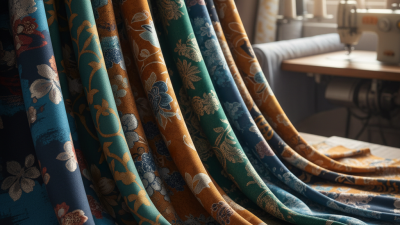
Polyester printing mesh has become essential in the textile industry due to its various advantages. One of the primary benefits is its high durability. According to a report by the Textile Research Journal, polyester mesh remains intact even under harsh printing conditions. It resists wear and tear well, ensuring longevity. This reduces replacement frequency, ultimately saving costs.
Another significant aspect is its versatility. The mesh is compatible with various inks. This flexibility allows for diverse applications, from fashion texturing to intricate graphic designs. Industry data indicates that polyester mesh can maintain high-quality prints over time, with color vibrancy that captures attention. However, not all polyester meshes are created equal; quality can vary significantly. Choosing the right mesh is vital for achieving desired results.
On the flip side, some users report challenges related to clogging and inconsistent tension. These issues can lead to imperfections in prints. Regular maintenance and proper handling are crucial to mitigating these downsides. Understanding the right mesh specifications can significantly influence the printing process. Being aware of these factors can help industries maximize the benefits of polyester printing mesh in their textile applications.
Durability and Longevity of Polyester Mesh in Industrial Settings
Polyester mesh has gained traction in various industries due to its remarkable durability and longevity. Research from the Technical Institute of Textile Chemistry reveals that polyester mesh can withstand intense wear, making it a staple for complex industrial applications. Its resistance to abrasion and tear is crucial in environments with high mechanical stress.
In food and beverage processing, polyester mesh ensures safety and efficiency. A report from the Safety Assessment of Materials for Food Contact noted that polyester can endure higher temperatures and maintain structural integrity. This property minimizes the risk of contamination, thus ensuring compliance with health regulations.
Employing polyester mesh can lead to cost savings, primarily from reduced replacements and maintenance. Data shows that polyester mesh can last up to three times longer than traditional fabrics in certain applications. However, it is important to acknowledge that improper care can compromise its longevity. Regular inspections and maintenance are necessary to truly benefit from its durability.
Top 10 Benefits of Using Polyester Printing Mesh in Industries
| Benefit |
Description |
Material Properties |
Application |
| Durability |
Resistant to wear and tear, suitable for long-term use. |
High-strength fibers |
Textile and screen printing |
| UV Resistance |
Protects from degradation by sunlight. |
UV-stabilized fibers |
Outdoor signage |
| Chemical Resistance |
Withstands various industrial solvents and chemicals. |
Chemical-resistant coatings |
Chemical processing industries |
| Lightweight |
Easier handling and reduced shipping costs. |
Polyester fabric |
Printing and packaging |
| Versatility |
Applicable in various printing techniques. |
Adaptable mesh sizes |
Textiles, graphics, and more |
| Cost-Effectiveness |
Reduces overall material costs. |
Affordable material |
Mass production |
| Print Quality |
Provides sharp and vibrant prints. |
Fine mesh structures |
High-definition printing |
| Ease of Cleaning |
Simple maintenance ensures longevity. |
Non-staining surface |
Reusable printing frames |
| Temperature Resistance |
Holds up under various temperature conditions. |
High melting point |
Heat-sensitive applications |
| Environmentally Friendly |
Recyclable and reduces waste. |
Recycled polyester options |
Sustainable practices |
Cost-Effectiveness of Using Polyester Printing Mesh
When considering cost-effectiveness, polyester printing mesh stands out in various industries. Research indicates that businesses using this material can reduce print production costs by up to 30%. This reduction comes from its durability, which leads to fewer replacements and lower maintenance expenses. Polyester mesh exhibits high resistance to wear, allowing for prolonged usage.
Polyester printing mesh provides excellent ink transfer. This enhances print quality, leading to better customer satisfaction and repeat business. According to a 2022 market report, companies reported a 20% increase in efficiency when incorporating high-quality polyester mesh into their workflows. Though initial investment costs might be higher than alternatives, the long-term savings are significant.
Some users have faced challenges with inconsistent mesh tension during printing. This can lead to defects if not monitored closely. Addressing these issues may require a learning curve. Nevertheless, the overall cost-effectiveness of polyester printing mesh remains compelling for many businesses. Its balance of durability, efficiency, and print quality cannot be overlooked in today’s competitive market.
Versatility of Polyester Mesh in Various Printing Techniques
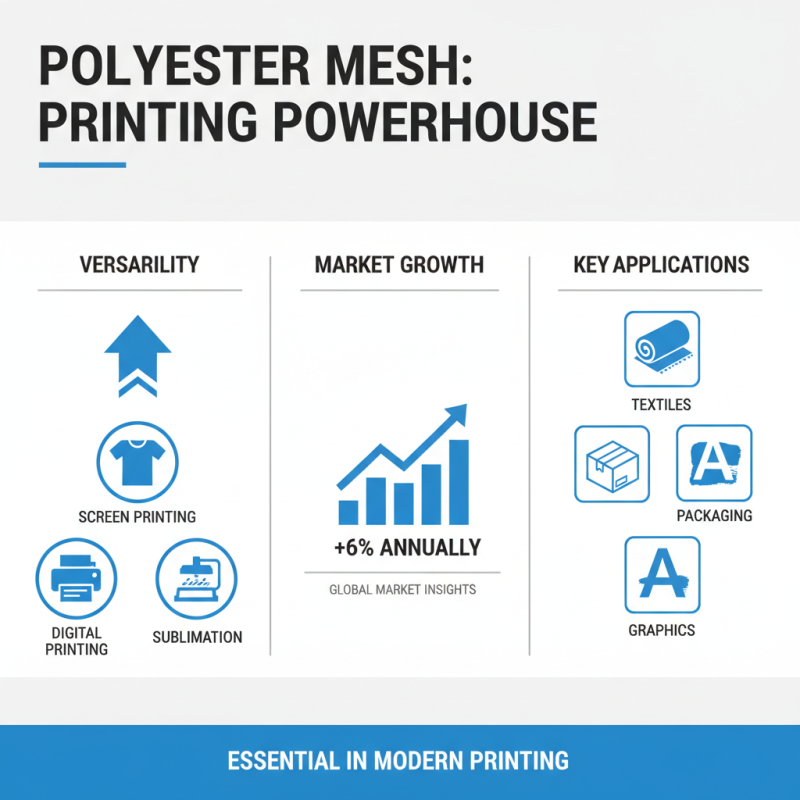
Polyester printing mesh has become essential in various industries due to its incredible versatility. This material adapts well to numerous printing techniques such as screen printing, digital printing, and sublimation. According to the Global Market Insights report, the demand for polyester mesh is projected to grow by 6% annually. This growth reflects the material’s widespread use in textiles, packaging, and graphics.
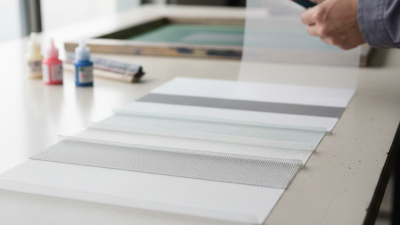
In screen printing, polyester mesh offers unique benefits. It provides excellent ink flow while ensuring sharp images. The mesh’s durability allows it to withstand high tension, resulting in precise designs. A recent study from Smithers Pira highlights that 65% of screen printers prefer polyester for its reliability compared to alternatives. This creates opportunities for businesses to expand their production capabilities.
However, challenges remain. Some users report issues with mesh clogging and print consistency. This brings into question the choice of micron ratings and mesh tensioning techniques. Evaluating these factors is crucial for achieving optimal results. The potential for innovation in mesh design could further enhance performance, making it an exciting area for development in the printing industry.
Environmental Impact and Sustainability of Polyester Printing Mesh
The environmental impact of polyester printing mesh is a growing concern in various industries. This material is often lauded for its durability and versatility. However, the production process can contribute to environmental degradation. According to a 2022 report, about 60% of polyester waste ends up in landfills. While polyester is recyclable, the recycling rates remain low globally.
Significantly, using high-quality polyester mesh can reduce overall waste. A study by the Sustainable Textile Coalition highlighted that proper recycling techniques could cut down energy consumption by up to 80%. This substantial energy saving reflects positively on carbon emissions. Nonetheless, many facilities still do not adopt these techniques, which raises questions about industry practices.
Moreover, polyester production relies on petroleum, a non-renewable resource. Despite advancements, the industry faces inherent sustainability challenges. The International Textile Manufacturers Federation notes a shift towards biodegradable alternatives, yet implementation is slow. While polyester printing mesh has benefits, its long-term environmental sustainability needs further exploration and commitment.