Leave Your Message
China’s textile sector has become a major source for Wax Polyester Print Fabric, serving fashion brands, wholesalers, and interior suppliers worldwide. However, choosing a manufacturer requires more than comparing catalogue prices. Fabric appearance can be attractive, while hidden problems emerge during cutting, washing, or bulk delivery.
Dr. Amina Mensah, a textile quality specialist, explains, “A dependable printed fabric begins with controlled polyester yarn, stable dyeing, and honest inspection.” Her observation reflects an important purchasing reality. Wax Polyester Print Fabric should combine sharp motifs, consistent color, suitable weight, and dependable dimensional stability. A good supplier can explain its printing process clearly. It should also provide sample testing, production records, and realistic delivery estimates.
Look closely.
During evaluation, buyers should request physical samples rather than relying only on digital images. Examine the fabric under daylight. Rub the surface with a white cloth. Check whether the wax-style pattern remains clear after gentle washing. Measure the width at several points, because uneven edges can create unnecessary cutting waste. Ask about fabric composition, print fastness, minimum order quantities, packaging, and inspection procedures.
This guide explores how to identify a capable China Wax Polyester Print Fabric manufacturer. It considers technical experience, customization options, quality control, communication, and export reliability. Certifications may support trust, but paperwork alone cannot replace consistent production results. That point is easy to overlook. Some suppliers may promise flexibility without having the equipment or capacity to deliver it. Buyers should therefore compare samples, factory evidence, and written specifications before making a decision. The process is not flawless, but careful verification reduces expensive surprises.
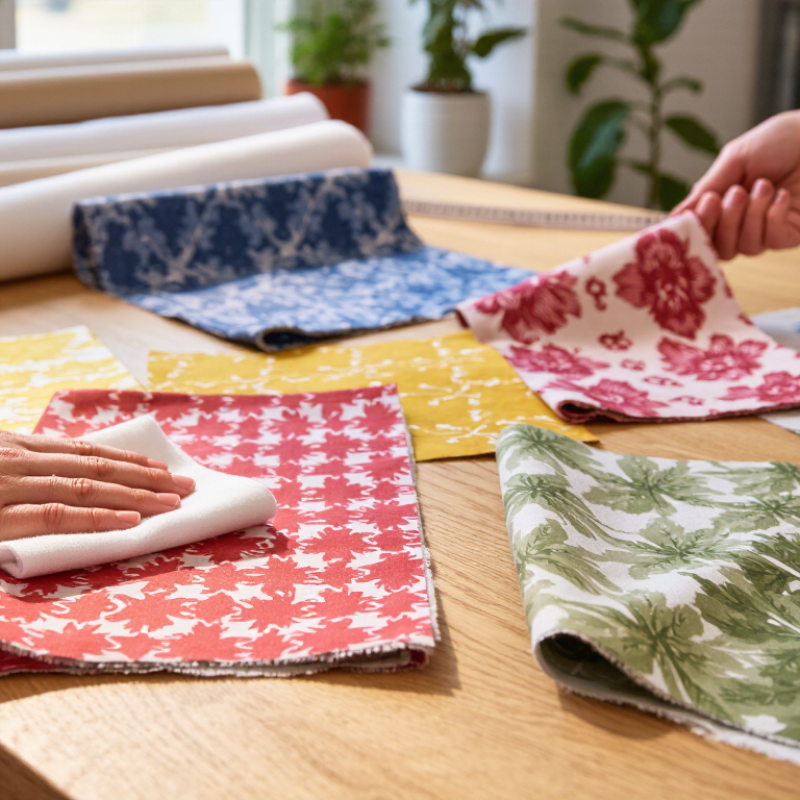
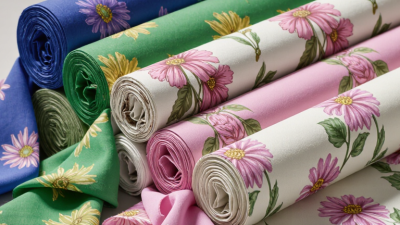
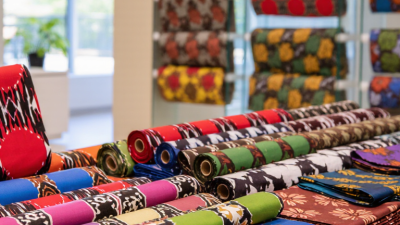
Wax polyester print fabric is a polyester textile printed with bold wax-style patterns. It imitates the visual language of traditional wax cloth. The surface may show geometric shapes, floral forms, or high-contrast repeated motifs. It usually contains no actual wax after printing.
Polyester is popular because it dries quickly, resists creasing, and holds saturated colors. Textile Exchange’s Materials Market Report 2024 reported that polyester represented about 57% of global fiber production in 2023. That scale supports stable sourcing and competitive manufacturing. In production, the fabric is commonly prepared, printed, dried, and heat-set. Heat controls color adhesion. Poor control creates shade variation.
I have seen buyers assess this fabric under both sunlight and indoor lighting. The difference can be surprising. A reliable evaluation should check fabric weight, width, print alignment, rubbing fastness, washing fastness, and seam behavior. ISO 105 testing methods are widely used for colorfastness assessments. A typical lightweight fabric may suit dresses, scarves, and decorative panels, while heavier constructions perform better for structured garments. Polyester is not automatically sustainable. The same report recorded global fiber production at roughly 124 million tonnes in 2023, showing the scale of material demand. Recycled polyester can reduce reliance on new fossil resources, but it still requires careful traceability and quality control. “Wax print” is sometimes used too loosely. That distinction matters.
A practical specification and quality guide for evaluating wax-style polyester print fabric
| Data Dimension | Description | Typical Data or Range | Quality and Purchasing Considerations |
|---|---|---|---|
| Basic Definition | Wax polyester print fabric is a polyester textile printed with wax-style motifs, bold colors, and high-contrast patterns that resemble traditional wax-print aesthetics. | Usually woven polyester with printed surface effects | It is generally a printed imitation of wax-print appearance rather than fabric made from actual wax. |
| Fiber Composition | The fabric is commonly produced from polyester staple fiber or polyester filament yarn. Blended constructions may also be available when specified. | Common option: 100% polyester | The composition should be confirmed through the product specification or laboratory fiber analysis when required. |
| Fabric Construction | Most qualities use a plain-weave construction, which provides a stable base for rotary, screen, or digital printing. | Plain weave is widely used | A consistent weave helps improve print registration, cutting accuracy, and garment appearance. |
| Common Fabric Weight | Fabric weight affects drape, opacity, durability, sewing performance, and end use. | Approximately 90–180 g/m², depending on construction | Lightweight qualities suit shirts and scarves; heavier qualities are better for structured garments, skirts, and home-textile applications. |
| Usable Width | The usable width is the fabric width available after removing selvage or non-printable edges. | Often about 145–160 cm; customized widths may be available | Width should be checked before costing because it directly affects marker efficiency and fabric consumption. |
| Printing Methods | Wax-style patterns may be created using rotary screen printing, flat screen printing, or digital textile printing. | Rotary screen and digital printing are common options | Screen printing is efficient for larger repeat orders, while digital printing is suitable for short runs and detailed artwork. |
| Pattern Characteristics | Typical designs include geometric forms, botanical motifs, abstract shapes, stripes, and high-contrast repeat layouts. | Usually bold, colorful, and medium-to-large repeat patterns | The repeat size, color count, and registration tolerance should be approved before bulk production. |
| Colorfastness | Colorfastness measures how well the printed color resists fading, rubbing, washing, perspiration, and light exposure. | Performance varies by dye, ink, process, and finishing | Request test results using an agreed standard and test method; do not judge performance by visual brightness alone. |
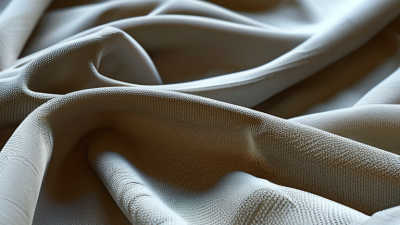
| Hand Feel and Drape | Polyester fabric can feel smooth, crisp, soft, or slightly textured depending on yarn type, weave density, weight, and finishing. | Light to medium drape with low to moderate natural absorbency | A finishing treatment can improve softness, but the final hand feel should be checked from a physical sample. |
| Moisture Behavior | Polyester absorbs less moisture than cotton and generally dries quickly. Its moisture-management performance depends on yarn and fabric engineering. | Low moisture regain compared with cotton | For warm-weather clothing, assess breathability, fabric weight, and garment design together rather than relying on fiber content alone. |
| Dimensional Stability | Polyester normally offers good dimensional stability, but heat setting, finishing, printing, and washing conditions can affect shrinkage. | Generally low shrinkage when properly heat-set | Bulk approval should include wash-shrinkage testing and comparison with the approved sample. |
| Typical Applications | The fabric is used for dresses, skirts, shirts, trousers, headwear, scarves, bags, decorative panels, and selected home-textile products. | Apparel and fashion accessories are the main uses | Select weight, width, abrasion resistance, and care performance according to the intended product. |
| Care Requirements | Care instructions depend on dye type, print process, construction, and finishing. Polyester commonly tolerates routine washing but may be sensitive to excessive heat. | Follow the approved care label and tested process | Avoid untested high-temperature ironing or drying because excessive heat can affect the surface, print, or dimensional stability. |
| Sustainability Options | Environmental performance can be improved through recycled polyester, responsible chemical management, efficient printing, and reduced production waste. | Recycled polyester may be specified where verified | Ask for recognized recycled-content documentation and confirm whether the claim refers to pre-consumer or post-consumer material. |
| Quality Inspection Points | Important checks include composition, weight, width, shade consistency, print alignment, surface defects, rubbing fastness, shrinkage, and roll length. | Inspection criteria should be agreed before production | A sealed approval sample, written tolerance, and inspection report reduce disputes during bulk delivery. |
| Supplier Evaluation | A capable manufacturer should be able to provide technical specifications, lab dips or strike-offs, production samples, testing support, and clear order terms. | Evaluate sample quality, consistency, lead time, MOQ, and communication | Compare suppliers using the same specification and approval standard instead of comparing price alone. |
Note: The numerical ranges shown are common industry reference values rather than guaranteed specifications. Final values should be confirmed through the approved sample, technical datasheet, and pre-production testing.