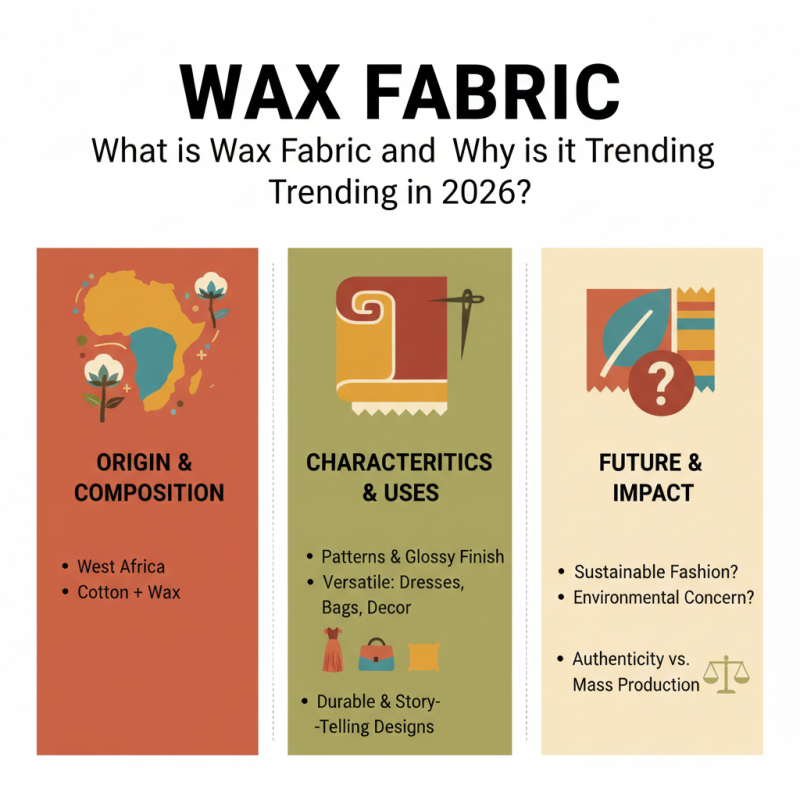
What is Wax Fabric and Why is it Trending in 2026?
Wax Fabric is making waves in fashion. Its vibrant patterns and glossy finish are captivating many. Touted as a trend for 2026, this fabric stands out in textiles. Made from cotton and wax, it originated in West Africa.
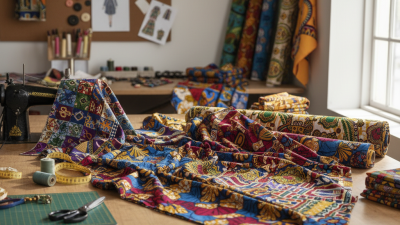
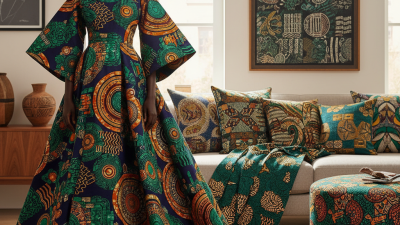
This unique material tells stories through its designs. Each print often symbolizes cultural significance or personal expression. Designers appreciate Wax Fabric for its versatility. It can be used in dresses, bags, and home decor. The durability enhances its appeal for sustainable fashion.
However, the renewed interest prompts questions. Is the wax coating an environmental concern? Balancing tradition with modern demands is vital. As Wax Fabric rises in popularity, consumers should reflect on its origins and impact. Choosing authenticity over mass production can lead to better choices in fashion.
What is Wax Fabric? A Comprehensive Overview
Wax fabric is a vibrant and colorful textile known for its unique designs and durability. It is predominantly made from 100% cotton, coated with wax to achieve its distinctive finish. This coating not only enhances the fabric's appearance but also provides a level of water resistance. Many admire wax fabric for its striking patterns, often inspired by African culture, making it a beloved choice for fashion enthusiasts.
The versatility of wax fabric makes it suitable for various applications. From clothing to home décor, its bold designs can make any item stand out. However, working with wax fabric can be tricky. The waxing process can result in varying textures, leading some creators to struggle with consistency. Additionally, ironing requires special care to avoid damage, adding another layer of complexity.
Aside from its aesthetic appeal, wax fabric carries cultural significance. Many designs tell stories of heritage and tradition, creating a deeper connection for those who wear it. There are concerns about sourcing and environmental impact, as sustainability becomes increasingly important. These factors highlight a growing need for responsible production methods in the fashion industry.
Historical Significance and Cultural Roots of Wax Fabric
Wax fabric has deep historical significance rooted in various cultures, particularly within West Africa. This fabric, often characterized by vibrant colors and intricate patterns, is more than just a textile. It tells stories of heritage, identity, and traditions that have been passed down through generations. Many communities use wax fabric for special occasions, symbolizing unity and pride.
The cultural roots of wax fabric can be traced back to the late 19th century. At that time, the fabric gained popularity among the African elite due to its unique designs and affordability. The patterns reflect local artistry and often draw inspiration from everyday life, fauna, and folklore. However, the rise of mass production has led some to question the authenticity of these fabrics. How do they truly represent cultural integrity when churned out in factories?
Moreover, wax fabric has influenced modern fashion trends, reaching global markets. Yet, it raises important questions about cultural appropriation and preservation. Can we appreciate the beauty of wax fabric while respecting its origins? Understanding its historical context allows consumers to make more mindful choices. There’s much to reflect on within this colorful fabric that weaves together the past and the present.
Key Characteristics and Production Process of Wax Fabric
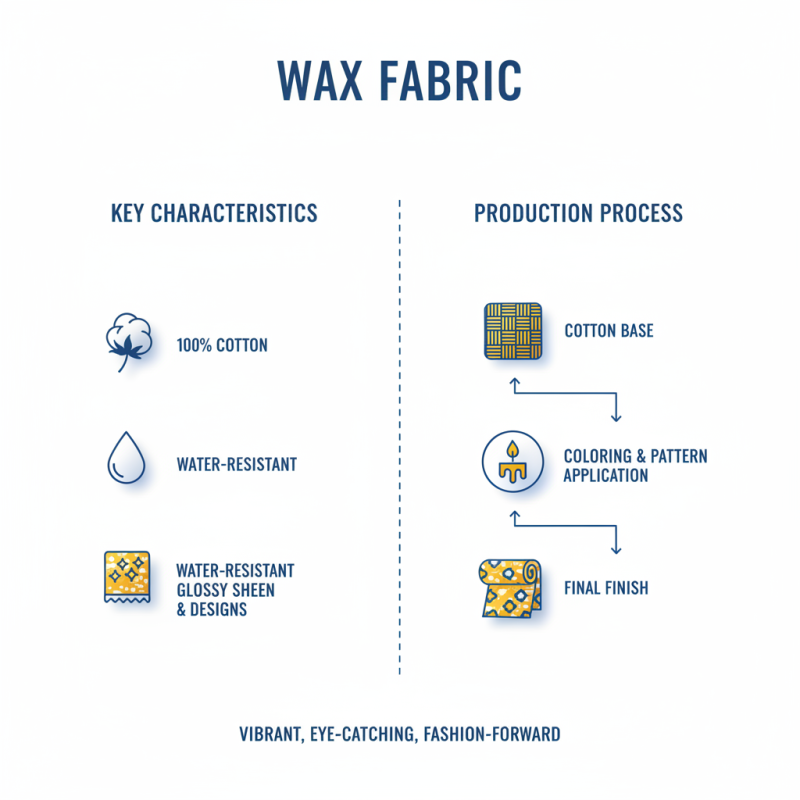
Wax fabric, often recognized for its vibrant colors and intricate patterns, is gaining popularity for various reasons. It is made from 100% cotton and coated with a wax finish. This process gives the fabric a glossy sheen and makes it water-resistant. The result is stunning, eye-catching designs that appeal to fashion-conscious consumers.
The production process of wax fabric involves several steps. Initially, cotton fabric is dyed using vibrant colors. After that, the wax is applied through techniques that can vary. Some producers use block printing, while others might prefer screen printing methods. Each approach adds its unique charm to the final product. However, achieving consistency in color and wax application remains a challenge for many manufacturers.
Despite its rising appeal, wax fabric is not without drawbacks. The coating can diminish the fabric’s breathability, causing discomfort in warm climates. Additionally, the production process can generate significant waste. Designers and fabric producers need to address these issues to fully embrace the wax fabric trend while promoting sustainability. As consumers become more conscious of their choices, these challenges offer an opportunity for innovation within the textile industry.
Current Fashion Trends and Popularity of Wax Fabric in 2026
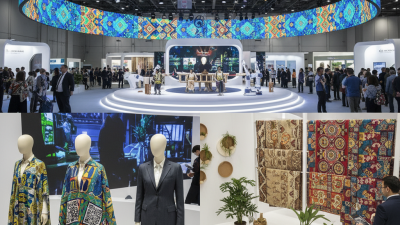
In 2026, wax fabric is making waves in the fashion scene. This vibrant textile captures attention with its shiny finish and bold patterns. Traditionally used in African fashion, it has become popular globally. Designers are now integrating wax fabric into contemporary styles. The versatility of this material allows for creative expression in apparel.
Fashion enthusiasts are drawn to its unique appearance. Wax fabric provides a canvas for stunning visuals, reflecting cultural stories. However, its rapid popularity raises important discussions about sustainability. The dyeing process can be resource-intensive, leading to environmental concerns. Many consumers are now questioning the eco-friendliness of their fashion choices.
As fashion evolves, so does the narrative around wax fabric. It celebrates heritage while embracing modern aesthetics. Yet, some critics argue that commercialization risks diluting its cultural significance. This tension invites conversations about authenticity versus trendiness. Wax fabric is more than just a trend; it symbolizes the fusion of tradition and contemporary style.
Innovative Uses and Applications of Wax Fabric in Various Industries
Wax fabric has gained significant traction across multiple sectors due to its unique properties and innovative applications. This versatile material is not only water-resistant but also eco-friendly, making it a preferred choice for fashion, home décor, and even sports gear. Designers are embracing wax fabric for its vibrant colors and patterns, which allow for artistic expression. This trend reflects a growing demand for textiles that combine style with sustainability.
In the fashion industry, wax fabric is being used in clothing, bags, and accessories. Items made from this fabric are not only functional but also eye-catching. The durability of wax fabric ensures that these products can withstand everyday wear while maintaining their appeal. Its interesting textures offer designers an opportunity to create something fresh and captivating.
Tips: When working with wax fabric, consider pre-washing other materials to avoid complications. It’s vital to test with scraps to understand how the wax interacts with different fabrics, particularly in terms of dye and adhesion.
Moreover, its use in home décor is expanding. Wax fabric provides a stylish yet durable option for curtains, table linens, and upholstery. Homeowners appreciate the ease of cleaning and maintenance it offers.
Striking the right balance between aesthetics and practicality is key in this domain.
Tips: If you're using wax fabric for upholstery, ensure proper sealing to protect against spills. Experiment with different finishes to enhance the overall look while maximizing the longevity of your projects.