China Best Printed Polyester Crepe Fabric Manufacturer?
Choosing the China Best Printed Polyester Crepe Fabric Manufacturer requires more than comparing prices. A reliable supplier should prove fabric performance through samples, test reports, and consistent production records. Printed Polyester Crepe Fabric should feel softly textured, drape naturally, and recover well after handling. The surface must not look overly glossy or feel stiff.
Dr. Subhash K. Batra, a respected textile educator and author, has stated, “Textiles are an integral part of our daily lives.” His observation matters here. Fabric quality affects clothing comfort, visual appeal, washing performance, and customer trust. For this reason, buyers should examine polyester yarn quality, crepe construction, print clarity, colorfastness, shrinkage, and fabric width. Small details matter. A sharp floral edge can separate a premium roll from an ordinary one.
The strongest Chinese manufacturers usually offer controlled dyeing, digital or rotary printing, laboratory testing, and documented quality inspection. They should also explain minimum order quantities, sample approval procedures, lead times, packaging, and after-sales support. Factory visits or live production videos can reveal more than polished catalog images. Still, no supplier is perfect. A color may vary slightly between batches, and a beautiful sample may hide production limitations. That deserves honest discussion.
This guide compares manufacturers through practical evidence, not promotional claims. It considers experience, technical capability, communication, and supply reliability. The best choice depends on your end use, target price, order volume, and quality expectations. A careful buyer tests before committing. That simple step prevents expensive surprises.
Polyester Crepe Defined: 57% of Global Fiber Output in 2023
Polyester crepe is a textured fabric made from polyester yarns, often with high twist. Its fine, pebbled surface diffuses light beautifully. Printed motifs appear softer and more dimensional. According to Textile Exchange’s Materials Market Report 2024, polyester represented about 57% of global fiber production in 2023. Global fiber output reached approximately 124 million tonnes. That scale matters to sourcing teams.
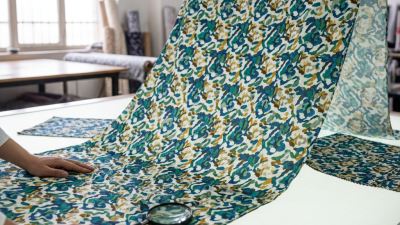
For a printed polyester crepe manufacturer, capacity alone is not enough. A dependable mill should control yarn twist, fabric weight, width, and heat-setting temperature. These factors affect drape, shrinkage, surface stability, and print registration. A practical inspection uses a 30-centimeter fabric panel under daylight. Check for broken outlines, oily marks, and uneven pebbling. Small defects become obvious on scarves and flowing dresses. Dye-sublimation and disperse printing can create sharp color, but settings must match the fabric structure.
Textile Exchange also notes that polyester remains mainly fossil-based, while recycled inputs are increasing. The 57% figure measures production volume, not environmental performance. That distinction is easy to miss. Market outlooks from Smithers’ textile printing research also point toward stronger digital-printing adoption and shorter production runs. Yet digital equipment cannot repair poor pretreatment. Ask for colorfastness, shrinkage, and composition test results. Review them against recognized textile testing methods. Supplier selection still depends on traceability, process discipline, and honest disclosure of limitations.
Typical 75–180 GSM Specifications for Printed Polyester Crepe
Printed polyester crepe is commonly specified between 75 and 180 GSM, depending on drape, opacity, and end use. Lightweight 75–100 GSM fabric suits scarves, linings, and soft blouses. It feels airy but may show print distortion more easily. Medium weights from 110–145 GSM offer better coverage for dresses and flowing shirts. Heavy options near 150–180 GSM provide stronger opacity and a more stable fall.
Not every “heavy” fabric drapes well.
Textile Exchange’s Materials Market Report 2024 estimates that polyester represented about 57% of global fiber production in 2023. This scale supports broad technical experience, but GSM alone cannot confirm quality.
A 150 GSM sample may still feel harsh if yarn selection, twist, or finishing is poorly controlled. Crepe texture also changes light reflection. Small differences matter. Reliable manufacturers should test mass per unit area under ISO 3801 procedures and condition samples under ISO 139’s standard atmosphere.
Buyers should compare width, shrinkage, colorfastness, and print clarity beside GSM. A 90 GSM fabric with balanced construction can outperform a poorly finished 120 GSM fabric. That is the uncomfortable detail. Specification sheets need real sample testing.
China’s Printing Process: 150–200°C Heat-Setting and Color Control
China Best Printed Polyester Crepe Fabric Manufacturer?
China’s Printing Process: 150–200°C Heat-Setting and Color Control
Choosing a reliable printed polyester crepe manufacturer requires more than comparing fabric prices. Production experience appears in small details, including stable width, clean edges, and consistent surface texture. Polyester crepe usually responds well to disperse dyes, but heat and tension must remain carefully controlled.
During printing, technicians monitor the fabric’s moisture, dye concentration, and printing pressure. Heat-setting commonly takes place between 150°C and 200°C, depending on fiber structure, fabric weight, and finishing requirements. Excessive heat can flatten the crepe texture. Insufficient heat may cause shrinkage, weak color fixation, or unstable dimensions.
Color control starts with a laboratory dip and continues through bulk production. Operators compare samples under standardized lighting, rather than relying only on digital screens. Small shifts show. They also test rubbing fastness, washing performance, width, weight, and hand feel. These checks create useful production records and support corrective action when results change.
In practical factory work, no batch is perfectly identical. Humidity, machine speed, and fabric tension can create visible differences. That is why experienced teams retain approved samples and inspect the first printed meters carefully. A dependable supplier should explain these variables clearly, provide test data, and accept reasonable rechecking. I have found that transparent process control is often more valuable than attractive promises.
Quality Benchmarks: ISO 105-C06 Colorfastness and 3–5% Shrinkage
China Best Printed Polyester Crepe Fabric Manufacturer?
Choosing the best printed polyester crepe fabric manufacturer requires more than attractive patterns and a low quotation. Fabric quality should be checked through repeatable tests, clear records, and production samples. For printed crepe, color stability is especially important. ISO 105-C06 evaluates colorfastness to domestic and commercial laundering. A reliable supplier should provide test conditions, washing temperature, detergent type, and grading results. A strong rating helps reduce fading, staining, and customer complaints after repeated washing.
Shrinkage also needs practical attention. A controlled result between 3% and 5% is often acceptable for many apparel applications, but the final tolerance depends on garment design and finishing. Measure fabric length and width before and after testing. Check several rolls, not only one sample. In real production, small differences can appear between batches. I have found that printed fabric may look stable in the laboratory, yet behave differently after cutting and sewing. That detail deserves honest review.
Tips: Request a pre-production sample. Wash it under the intended care instructions. Compare the print shade under daylight and indoor lighting. Record shrinkage in both directions. Ask whether the reported ISO result covers the finished fabric, not just the base cloth. A certificate alone is not enough. Inspect the fabric surface, hand feel, print alignment, and edge stability. Some suppliers may offer excellent paperwork but inconsistent bulk production. That risk should remain visible during evaluation.
China Best Printed Polyester Crepe Fabric Manufacturer? — Quality Benchmarks
Reference benchmarks for printed polyester crepe fabric: 3–5% dimensional change and ISO 105-C06 washing colorfastness ratings of 4–5.
The shrinkage figures are expressed as a percentage range. ISO 105-C06 is a standardized washing colorfastness test method; ratings use a 1–5 scale, where 5 indicates the highest colorfastness. Actual acceptance requirements may vary by buyer, end use, and testing protocol.
How to Evaluate Chinese Manufacturers: MOQ, Lead Time, and REACH Compliance
Choosing a China-based printed polyester crepe fabric manufacturer requires more than comparing online prices. A reliable evaluation starts with the MOQ. Ask whether the minimum applies to each print, color, or total order. A factory may accept 300 meters for stock fabric but require 1,000 meters for a custom design. Request this in writing. Sample the exact construction, not only a similar quality.
Lead time should include every production stage. Confirm greige fabric preparation, printing, finishing, inspection, and packing. For many orders, sampling may take 5–10 working days, while bulk production can require 20–35 days. These figures are not promises. Public holidays, artwork approval, and machine scheduling can change them. Ask for a dated production plan and one responsible contact. A small delay can affect a fashion launch quickly.
REACH compliance needs careful verification. Request recent laboratory reports for the specific polyester crepe fabric, print, and colorway. Check whether testing covers restricted substances and SVHC requirements relevant to the destination market. A general certificate may not prove that every batch complies. Review the testing laboratory, report date, sample description, and traceability records. Also compare the approved sample with bulk fabric for shade, handle, and print clarity. The imperfect part is often overlooked: documentation may look complete while batch control remains weak. An independent pre-shipment inspection adds useful evidence, especially for new suppliers.