How to Buy Wax Print Fabric Wholesale?
Buying Wax Print Fabric wholesale requires more than comparing the lowest price. A dependable purchasing process examines design quality, fabric composition, supplier experience, minimum order quantities, and delivery terms. Each detail affects the final product. A beautiful pattern cannot compensate for weak colorfastness or uneven printing.
Textile historian Anne Grosfilley has observed, “Wax print is not African in origin, but African in its use.” This perspective matters when evaluating Wax Print Fabric. Its cultural meaning, production history, and commercial value are closely connected. Buyers should ask where the fabric was produced, who owns the design, and whether the supplier provides accurate product information. Clear answers build trust.
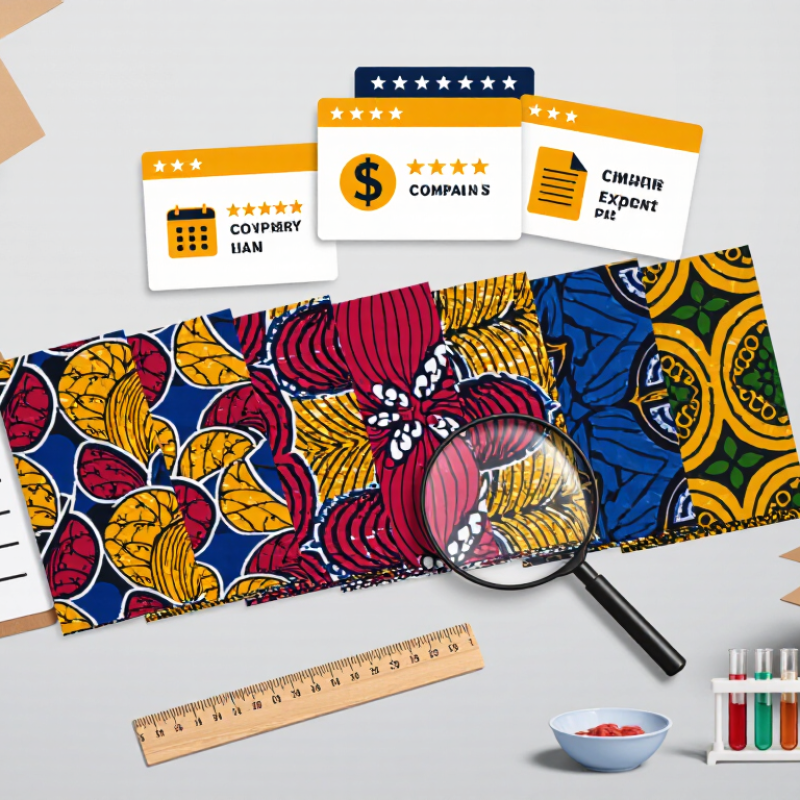
Request physical samples before placing a large order. Check the reverse side, edge finishing, weight, smell, and color response after washing. Small tests reveal expensive problems. Compare at least three suppliers. Review their company history, customer feedback, payment methods, and export documentation. Confirm whether quoted prices include packaging, shipping, taxes, or customs charges.
Do not rush.
A strong wholesale order also needs written specifications. Record the fabric width, length, fiber content, print method, color references, and acceptable defect range. Some buyers focus only on quantity and regret it later. I have seen this mistake repeatedly in textile sourcing discussions. The cheapest roll may create higher cutting waste. A thoughtful guide should acknowledge uncertainty, verify claims, and leave room for inspection. Quality, cultural respect, and dependable communication should shape every purchasing decision.
Understanding Wax Print Fabric and Wholesale Buying Requirements
How to Buy Wax Print Fabric Wholesale?
Understanding Wax Print Fabric and Wholesale Buying Requirements
Wax print fabric is valued for its bold patterns, firm hand, and strong color contrast. It often uses cotton, but quality varies between suppliers. Check the fiber content carefully. A fabric labeled “cotton blend” may feel very different from pure cotton.
Request physical samples before discussing large quantities. Examine the surface under natural light. Rub a white cloth against the print. Then wash a small piece in warm water. This reveals color bleeding, shrinkage, and stiffness. I once trusted a digital image too quickly. The colors looked richer online than they appeared in daylight. That mistake changed my buying process.
Wholesale requirements should be written clearly. Confirm fabric width, weight, roll length, pattern placement, and minimum order quantity. Ask about production time and available stock. Request test results for colorfastness and shrinkage when possible. Reliable suppliers should provide business documents, packing details, and accurate invoices. They should also explain inspection procedures before shipment.
Plan for practical use.
A tailor may need different specifications than a home décor workshop. Allow extra fabric for cutting loss and possible shrinkage. Compare the full landed cost, including freight, duties, packaging, and payment fees. Do not choose only by price. A cheaper roll can create more waste, delayed production, and customer complaints. Keep written approvals for samples and final colors. Small details protect both sides.
Finding Reliable Wax Print Fabric Wholesale Suppliers
Buying wax print fabric wholesale starts with finding a supplier who can prove consistency, not merely offer a low price. Ask for a current sample book and two production samples from different batches. Compare the base cloth, print sharpness, reverse-side penetration, and color under daylight. A reliable supplier should state fabric width, weight, composition, minimum order, lead time, and packing method clearly. Request written answers. Vague promises create expensive surprises.
Check their operating history through trade records, factory videos, verified references, and a live video call. During the call, ask to see rolls, inspection tools, and finished cartons. Suppliers who answer technical questions calmly usually understand production. Usually. Do not rely on polished photographs alone.
Before placing a large order, wash a sample as your customers might. Record shrinkage, bleeding, fading, and edge fraying after washing. A small test can expose a serious weakness. Discuss shade tolerances and defect limits in writing. Include inspection timing, replacement procedures, delivery terms, and payment milestones.
Keep invoices and approved sample photos together. This protects both sides and improves accountability. I have learned that fast replies do not always mean dependable service. One supplier may communicate well but miss packing details. Another may produce excellent cloth yet struggle with deadlines. That is why I compare actual results, not friendly conversations. Build a trial order before committing to seasonal volume. Reliability grows through evidence, repeated checks, and honest correction when something goes wrong.
Placing, Inspecting, and Managing a Wholesale Wax Print Order
How to Buy Wax Print Fabric Wholesale?
A reliable wholesale wax print order begins with a precise purchase sheet.
State composition, width, weight, print repeat, color tolerance, roll length, and packing method. Request a pre-production sample and a sealed approval swatch. Do not trust photographs alone. Lighting can hide uneven dyeing and blurred motifs.
Textile Exchange’s 2024 Materials Market Report recorded 124 million tonnes of global fiber production in 2023. That scale makes traceable fiber information increasingly important. Ask for fiber content evidence and production-lot identification. I have found that a simple lot code prevents expensive confusion later.
Inspect samples under daylight and warm indoor light.
Check edge alignment, pinholes, slubs, shrinkage, and color transfer. Use AATCC 8 for crocking and AATCC 61 for accelerated laundering when performance matters.
ISO 2859-1 can support a documented sampling plan, rather than relying on one attractive roll. Measure at least three rolls from different positions. Record actual width and weight. Small differences become large cutting losses.
Agree on acceptable defects, replacement rules, inspection timing, and payment milestones before production. A third-party inspection report adds useful evidence, but it cannot repair a weak specification.
Manage the shipment with a roll-by-roll packing list.
Match roll numbers to invoices, photos, and inspection records. Keep a retained swatch from every approved lot.
Textile Exchange projects global fiber output may reach 160 million tonnes by 2030, increasing pressure on sourcing visibility.
My own process is not perfect. I once treated color approval as final, although the production light differed. That mistake taught me to approve both color and viewing conditions.