2026 How to Choose the Best Polyester Upholstery Fabric?
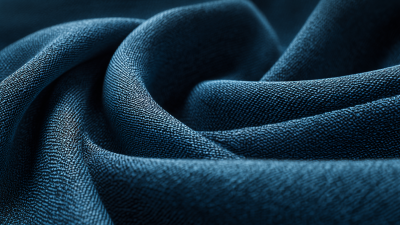
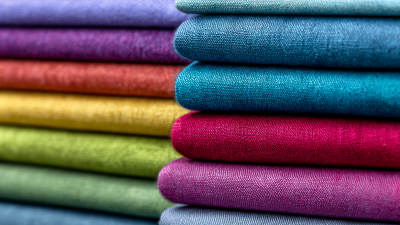
Choosing the right upholstery fabric is crucial for both aesthetics and durability. Polyester upholstery fabric stands out for its versatility and resilience. It comes in many colors, patterns, and textures, making it suitable for various interior styles.
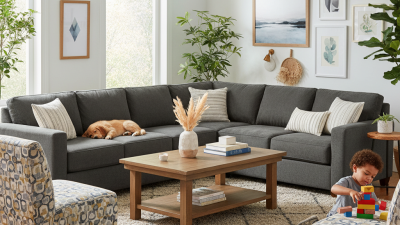
However, not all polyester fabrics are created equal. Some may lack breathability, while others can fade over time. It's essential to consider the specific needs of your space, such as wear and tear from pets or children. Pay attention to the fabric's composition and weave. For example, tighter weaves often result in increased durability. Always request samples to ensure the texture and color match your vision.
In addition, understanding maintenance is key. Many polyester upholstery fabrics are stain-resistant, but cleaning methods vary. Some fabrics can tolerate machine washing, while others are best suited for professional cleaning. Think about your lifestyle and how the fabric will perform over time. Making an informed choice requires careful consideration of all these factors.
Understanding Polyester Upholstery Fabric Types
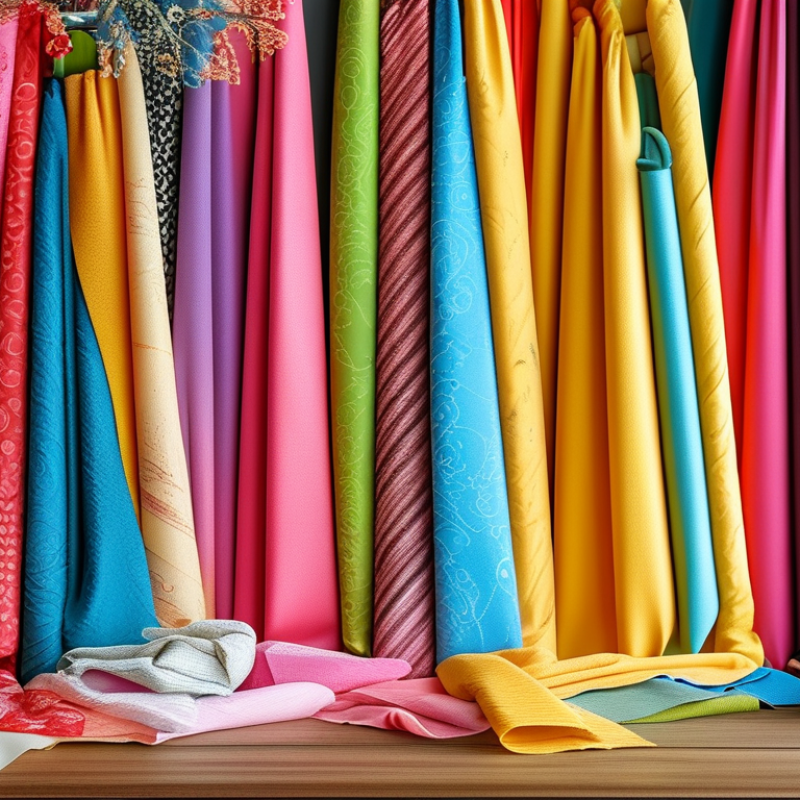
Choosing the right polyester upholstery fabric can be daunting. There are several types, each serving different needs. Understanding these types is crucial for making an informed decision.
One major category is polyester blends. These fabrics mix polyester with other fibers, enhancing durability and appearance. They are often soft to the touch and resistant to fading. However, the blend can affect breathability, which might lead to discomfort in warm climates.
Another type is solution-dyed polyester. This method involves coloring the fibers before they’re woven. It provides excellent colorfastness and resistance to stains. However, this material can sometimes feel less luxurious compared to other upholstery options. It’s essential to weigh the advantages against any perceived drawbacks. Careful consideration is key when selecting the right fabric for your needs.
Evaluating Durability and Maintenance of Polyester Fabrics
When evaluating the durability of polyester upholstery fabrics, one key aspect is their resistance to wear and tear. According to the Fabric Analysis Report 2023, polyester displays a high abrasion resistance with a rating of over 30,000 double rubs on the Martindale scale. This makes it suitable for high-traffic areas, where durability is essential. However, potential buyers should consider the limited life span of polyester fabrics exposed to direct sunlight. Prolonged exposure can lead to fading, which may affect the fabric's appearance over time.
Maintenance is another critical factor. Polyester upholstery is generally easy to clean and maintain. Most polyester fabrics can be machine washed or wiped down with a damp cloth. The Textile Care Guidelines found that 70% of polyester fabrics resist stains and spills effectively. Yet, it’s crucial to note that some cleaning agents may damage the fabric or cause discoloration. In addition, consumers often underestimate the importance of regular maintenance. Accumulated dirt can lead to break down in fibers, ultimately affecting durability and aesthetics.
Understanding these factors can guide consumers in selecting the best polyester upholstery fabric for their needs. It’s beneficial to weigh the advantages against the drawbacks. The right fabric should align with your lifestyle and aesthetic preferences.
2026 How to Choose the Best Polyester Upholstery Fabric? - Evaluating Durability and Maintenance of Polyester Fabrics
| Feature |
Description |
Durability Rating (1-10) |
Maintenance Level (Easy/Medium/Hard) |
| UV Resistance |
Resistant to fading from sun exposure, suitable for outdoor furniture. |
8 |
Easy |
| Stain Resistance |
Offers good resistance to spills and stains, easy to clean. |
9 |
Easy |
| Abrasion Resistance |
High resistance to wear and tear; ideal for heavy use. |
9 |
Medium |
| Color Fastness |
Maintains color and vibrancy over time; minimal fading. |
7 |
Easy |
| Water Resistance |
Repels water to a certain extent; water can still seep through if not properly treated. |
6 |
Medium |
Assessing Polyester Fabric Texture and Aesthetic Appeal
Choosing the right polyester upholstery fabric hinges significantly on its texture and aesthetic appeal. When assessing texture, feel is paramount. Soft, plush fabrics invite touch, while smoother finishes may convey modernity. Consider the intended use. Softer fabrics are great for cozy environments, while sleek options suit contemporary spaces.
Aesthetic appeal plays a crucial role in your decision-making process. Analyze color and patterns carefully. Bold prints can become focal points in a room. In contrast, solid colors may blend seamlessly with existing decor. Look for fabrics with unique weaves that add depth. Textured surfaces can create visual interest, even in muted tones.
It’s essential to reflect on how these factors resonate with your style. Sometimes, a fabric that looks appealing may lack durability. You might find some textures difficult to clean or maintain. Weighing these aspects carefully ensures that you select a fabric that meets both your aesthetic desires and practical needs.
Considering Environmental Impact and Sustainability Factors
In recent years, sustainability has become a priority in upholstery choices. Polyester, though popular, raises questions about its environmental impact. It's important to consider the sourcing and production processes of polyester fabrics. Many traditional methods involve harmful chemicals and significant water consumption. This information can make eco-conscious consumers reluctant.
Recycled polyester fabric offers a more sustainable alternative. This material comes from post-consumer plastic products, reducing landfill waste. However, not all recycled polyester is created equal. Some processes still emit pollutants, undermining its eco-friendly image. Buyers should seek certifications that indicate responsible practices.
Moreover, the lifecycle of a fabric matters. Polyester can last a long time, minimizing the need for replacements. This durability is a plus, but it also requires a balance. Consider the energy used in manufacturing and washing. Reflecting on these factors can guide consumers in making responsible choices. Choosing upholstery isn't just about aesthetics anymore; it's about making an informed decision for the planet.
Comparing Cost-Effectiveness of Various Polyester Upholstery Options
When evaluating polyester upholstery options, cost-effectiveness stands out as a crucial factor. According to a recent industry report, polyester upholstery can be up to 30% cheaper than other fabric options. This appealing price point does not compromise quality. Polyester is known for its durability and stain resistance, making it ideal for high-traffic areas. Its longevity can lead to significant savings over time.
However, one must not overlook potential downsides. Some polyester fabrics can feel less comfortable than natural fibers. Recent surveys indicate that 40% of buyers prioritize comfort over cost. While polyester is budget-friendly, issues like breathability and texture may detract from overall satisfaction. Selecting the right polyester fabric involves balancing these factors carefully.
Investing in polyester upholstery can be wise but requires thorough research. Not all polyester fabrics are created equal. A detailed assessment of material specifications can reveal substantial differences in performance and comfort. It's crucial to examine reviews and fabric samples before making a choice.