Top 10 Wax Polyester Print Fabrics at Canton Fair 2026?
As the 139th Canton Fair approaches in 2026, the spotlight on Wax Polyester Print Fabric highlights its growing relevance in the textile industry. This fabric, known for its vibrant prints and durability, is increasingly popular among manufacturers and designers. According to industry reports, the global fabric market is projected to reach over $100 billion by 2027, with a significant portion contributed by synthetic fibers like polyester.
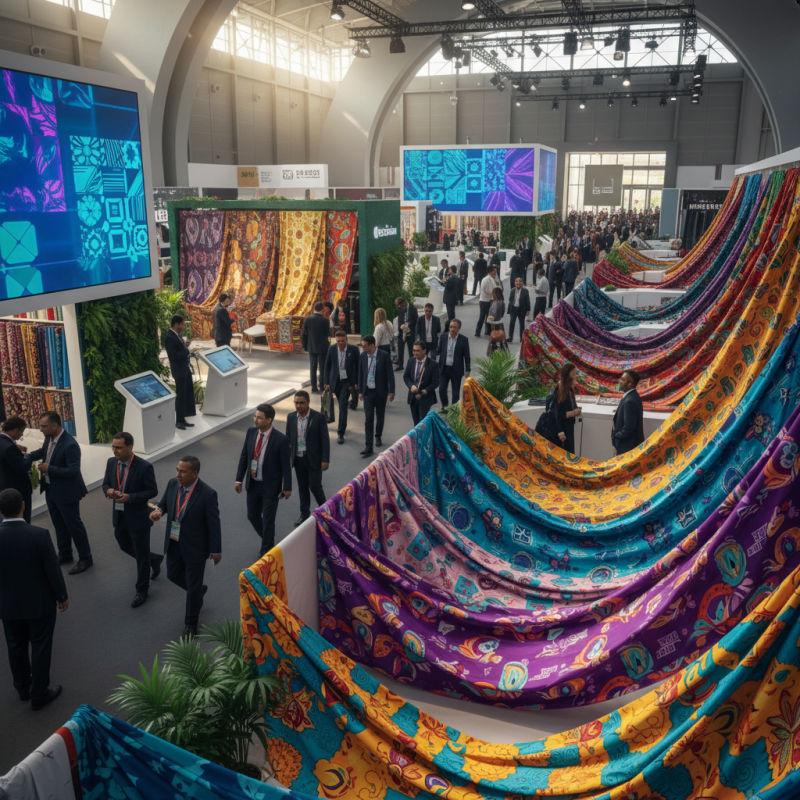
During the fair, from April 15 to May 5, the latest innovations in Wax Polyester Print Fabric will be showcased. The introduction of AI technology will streamline the procurement process. Buyers can now locate suppliers with essential certifications, like ISO and CE, enhancing their purchasing experience. However, despite advances, challenges remain. Not every supplier adheres to the highest standards, leaving buyers to navigate complexities in quality assurance.
It's crucial to reflect on the importance of ethical sourcing in the textile industry. While the demand for vibrant and durable fabrics continues to rise, ensuring environmentally friendly practices is vital. The 2026 Canton Fair provides a platform for discussions about sustainability, urging manufacturers to consider their impact on the environment while embracing the potential of Wax Polyester Print Fabric.
Overview of Wax Polyester Print Fabrics
Wax polyester print fabrics have gained popularity for their vibrant colors and unique designs. According to a recent industry report, the global market for polyester fabrics is expected to grow by 5.2% annually until 2027. This growth reflects the increasing demand for high-quality fabrics in various sectors, including fashion and home textiles. The unique wax finish provides longevity and water resistance, making these fabrics ideal for various applications.
In recent years, innovations in printing technology have led to improved texture and color fastness. By 2026, it is anticipated that more than 30% of the polyester fabric produced will feature advanced printing techniques, enhancing design options. However, there is room for improvement in the environmental sustainability of these products. Many manufacturers are still relying on traditional methods that can lead to high levels of waste and pollution. As the industry evolves, a shift towards eco-friendly practices will be essential.
Market research highlights that consumers are becoming increasingly aware of fabric sourcing and durability. With the rise of eco-conscious buyers, brands must be more transparent. Sustainability isn't just a trend; it's a necessity. The challenge lies in balancing the demand for vibrant, durable fabrics with responsible manufacturing practices. This tension creates opportunities for innovation and reflection within the industry.
Top 10 Wax Polyester Print Fabrics at Canton Fair 2026
| Fabric Type |
Pattern |
Color |
Weight (g/m²) |
Width (cm) |
Usage |
| Wax Print Fabric A |
Floral |
Blue |
150 |
150 |
Dressmaking |
| Wax Print Fabric B |
Geometric |
Red |
180 |
120 |
Home Decor |
| Wax Print Fabric C |
Animal Print |
Green |
160 |
140 |
Fashion Accessories |
| Wax Print Fabric D |
Abstract |
Yellow |
140 |
160 |
Craft Projects |
| Wax Print Fabric E |
Stripes |
Purple |
170 |
130 |
Quilting |
| Wax Print Fabric F |
Polka Dots |
Pink |
150 |
150 |
Children's Clothing |
| Wax Print Fabric G |
Checks |
Grey |
160 |
140 |
Table Linens |
| Wax Print Fabric H |
Floral |
White |
140 |
130 |
Bridal Wear |
| Wax Print Fabric I |
Gradient |
Turquoise |
165 |
145 |
Swimwear |
| Wax Print Fabric J |
Tribal |
Brown |
155 |
120 |
Activewear |
Importance of Wax Polyester in Fashion Industry
Wax polyester fabrics have gained notable importance in the fashion industry. Their unique texture and vibrant prints make them popular among designers. These fabrics offer a blend of durability and style. Many people appreciate how they withstand wear and tear. This quality is essential for both everyday clothing and special occasion outfits.
At fashion events like the Canton Fair, wax polyester attracts attention. Designers showcase their innovative creations, capturing the audience's interest. The bold colors and intricate patterns stand out. Yet, some designers struggle with sustainability issues. The production process can be resource-intensive. There's a growing demand for eco-friendly alternatives. This creates a challenge for brands to balance fashion and environmental responsibility.
As wax polyester continues to evolve, its role in the industry remains significant. Fashion enthusiasts seek fresh, unique designs. However, the need for sustainable practices looms large. This tension between creativity and sustainability requires reflection. Balancing artistic expression with ecological impact is crucial for future growth. The journey forward in fashion holds both promise and complexity.
Key Trends in Wax Polyester Print Designs for 2026
As we approach the Canton Fair 2026, wax polyester print fabrics are capturing attention. These fabrics blend vibrant colors with intricate patterns. They are perfect for various applications, from fashion to home decor. Designers are experimenting with bold motifs, showcasing the cultural richness of textile art. Nature-inspired prints and geometric shapes are among the most popular trends.
One notable trend is the use of eco-friendly dyes. People are increasingly aware of sustainability. This shift influences fabric production methods, appealing to conscious consumers. However, achieving vibrant, lasting colors with eco-friendly materials can be challenging. Some designs may lack the vibrancy often expected, prompting reflection on design practices.
Another trend is the blend of traditional and modern aesthetics. Many artists are merging age-old techniques with contemporary designs. This fusion creates unique fabric offerings. Nonetheless, it raises questions about authenticity and cultural representation. Striking a balance between innovation and tradition is not easy, but it is essential for the future of textile design.
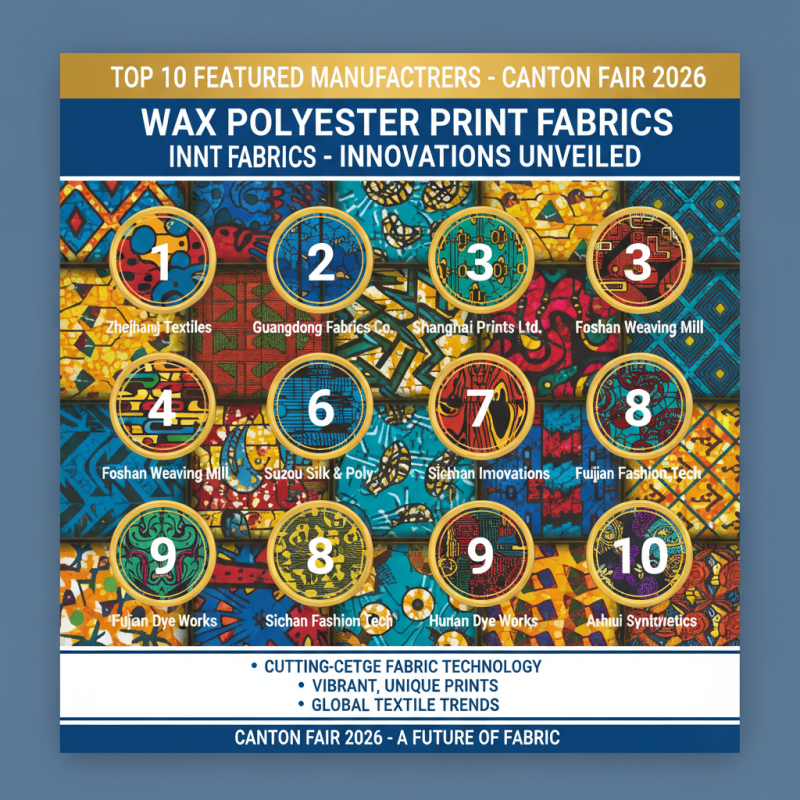
Top 10 Featured Manufacturers at the Canton Fair
The Canton Fair in 2026 will unveil exciting innovations in wax polyester print fabrics. This year, several manufacturers stand out with their unique offerings. Each brings something fresh to the table, showcasing vibrant prints and cutting-edge fabric technologies.
Among the featured manufacturers, many focus on sustainability. They use eco-friendly processes that reduce waste and pollution. Some fabrics are made from recycled materials, appealing to environmentally conscious buyers. However, challenges remain in achieving the perfect balance between quality and sustainability. Manufacturers must navigate high production costs while meeting consumer demands for affordable options.
There are also brands specializing in cultural designs. Their prints celebrate various global traditions. These fabrics tell stories through colors and patterns, but not all designs resonate with audiences. Some motifs may appear outdated or cliché. Feedback from buyers will be vital for refining these offerings. Despite imperfections, the creativity on display is inspiring.
Sustainability and Innovations in Wax Polyester Fabrics
The Canton Fair 2026 highlights the evolving landscape of wax polyester print fabrics.
Sustainability is at the core of this shift.
Manufacturers explore eco-friendly dyes and finishes.
These innovations reduce environmental impact while maintaining vibrant designs.
Consumers increasingly demand products that are not only stylish but also sustainable.
Wax polyester fabrics are versatile.
They are used for fashion, home decor, and accessories.
The appeal lies in their durability and ease of care.
Observing the latest trends, we can see that many artisans embrace upcycling techniques.
However, there's a fine line between recycling and creating waste.
Some designs at the fair showed promise but lacked thorough testing for longevity.
Tip: Investigate the sourcing of materials. Knowing where and how fabrics are produced can inform your choices.
Community engagement plays a role too.
Designers are collaborating with local artisans.
This promotes cultural authenticity while reducing carbon footprints.
Yet, some initiatives feel superficial.
Genuine collaboration takes time and commitment.
Tip: Support brands with transparent practices. This ensures your purchases align with your values.
The landscape of wax polyester print fabrics continues to grow.
Innovations emerge alongside sustainability efforts.
It’s worth reflecting on our choices as consumers.
The journey towards truly sustainable fashion is ongoing, and collective effort is essential.