inquiry
Leave Your Message

China Top 10 Polyester Furniture Fabric Manufacturers?

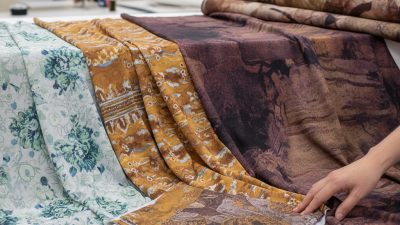
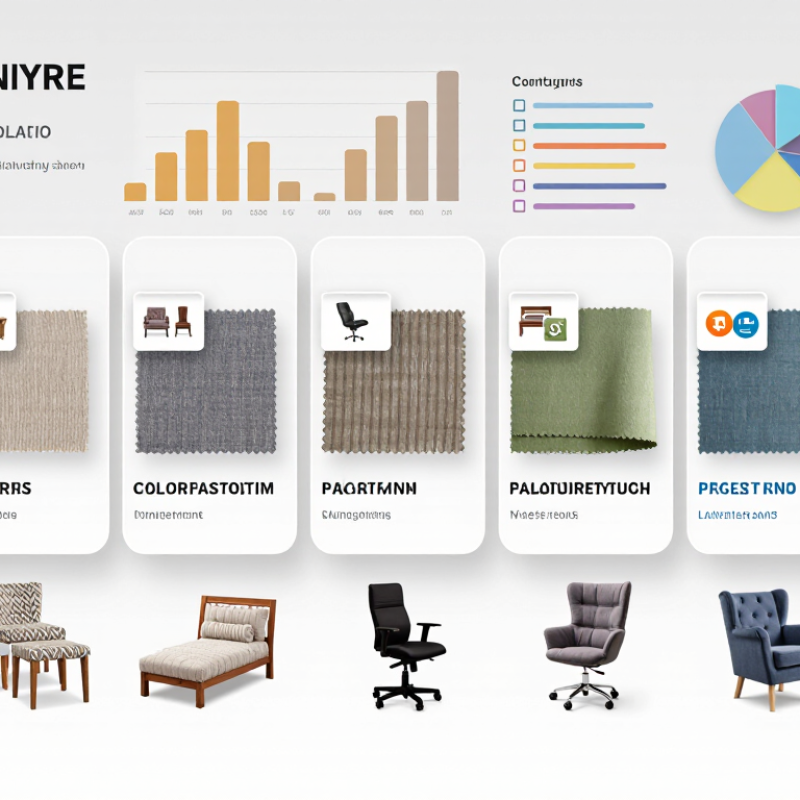
China’s furniture industry has developed a broad and competitive textile supply chain. Among its strongest segments, Polyester Furniture Fabric serves sofas, dining chairs, headboards, office seating, and hospitality interiors. Manufacturers offer woven, knitted, jacquard, chenille, velvet-touch, and recycled polyester options.

This guide introduces ten notable Chinese manufacturers connected with this market. The selection considers product range, production experience, export capability, quality systems, customization, and communication standards. Factory capacity matters, but it does not tell the whole story. A large showroom can hide inconsistent sampling or weak after-sales support.

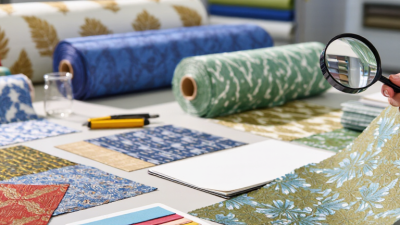
Practical evaluation remains essential. Buyers should request fabric swatches, technical specifications, test reports, and recent project references. Abrasion resistance, colorfastness, pilling performance, backing quality, and flame-retardant options deserve close attention. Ask about minimum order quantities and lead times, too. Small details matter.

The list is not an absolute ranking. Supplier performance can change with equipment, management, raw material sources, and customer requirements. Some information may also require direct confirmation from each manufacturer. That limitation deserves attention. A reliable comparison should combine published evidence with samples and factory discussions. This approach helps importers, furniture brands, designers, and contract buyers identify suitable Polyester Furniture Fabric partners with greater confidence. Not every low price is a genuine advantage.
China Top 10 Polyester Furniture Fabric Manufacturers?

What Defines a Leading Polyester Furniture Fabric Manufacturer in China

A leading polyester furniture fabric manufacturer in China is defined by more than production scale or export volume. The stronger suppliers combine stable yarn sourcing, controlled weaving, and practical quality inspection. Their teams understand how fabric behaves on sofas, dining chairs, and hotel seating after months of use.

A useful factory review examines abrasion resistance, fabric weight, width tolerance, and colorfastness. It also checks the reverse side. A weak backing may cause slippage or early seam damage. Ask for test reports, production samples, and records from recent batches. Reliable manufacturers can explain testing methods clearly, rather than hiding behind impressive numbers. Their laboratories should support development, but independent testing remains valuable for important projects.

Customization also reveals professional ability. Experienced teams can adjust texture, coating, fire performance, and color ranges without losing production stability. Small details matter. Check roll edges, shade consistency, odor, and packing protection before shipment. Communication is part of quality. A supplier that documents changes reduces avoidable mistakes.

No factory is perfect. Even a capable manufacturer may struggle with unusual colors or urgent delivery schedules. I would question any supplier promising everything without trade-offs. The best partnership leaves room for testing, correction, and honest discussion. That practical attitude often separates a dependable polyester furniture fabric manufacturer from a factory that only competes on price.
Selection Criteria for Ranking China’s Top 10 Manufacturers

Selection Criteria for Ranking China’s Top 10 Polyester Furniture Fabric Manufacturers

A credible ranking should begin with verified manufacturing capability, not online visibility. We examine factory visits, production lines, annual capacity, and documented quality procedures. A reliable supplier should explain its yarn sources, weaving methods, dyeing controls, and finishing process clearly. Samples are tested for abrasion, pilling, colorfastness, seam slippage, and dimensional stability. Small differences matter.

Practical experience also shapes the assessment. We compare fabric performance on dining chairs, sofas, headboards, and commercial seating. A fabric that feels attractive in a sample book may flatten quickly under daily use. We review repeatability across production batches, including shade variation between rolls. This step is often overlooked. It should not be.

Professional ranking requires evidence from several sources. We check certifications, export records, laboratory reports, response times, minimum order quantities, and delivery consistency. We also assess customization skills, such as recycled polyester content, flame-retardant options, coating choices, and pattern development. Claims are treated cautiously unless independent documents support them. Customer references can help, but they are not conclusive. Some references reflect one successful order, not long-term performance.

Pricing receives attention, but it cannot outweigh quality failures or unstable supply. Manufacturers gain stronger positions when they combine transparent communication, traceable materials, controlled production, and dependable after-sales service. The ranking remains adjustable because factories change equipment, management, and sourcing practices. That uncertainty deserves honest acknowledgment.

Profiles of China’s Top 10 Polyester Furniture Fabric Manufacturers

Profiles of China’s Top 10 Polyester Furniture Fabric Manufacturers

China’s polyester furniture fabric sector includes manufacturers with different strengths. The first profile represents a large mill offering broad color collections and steady export capacity. The second focuses on abrasion-resistant upholstery for hotels, offices, and busy family rooms. The third develops soft, brushed textures that suit sofas and headboards. Practical results matter more than attractive samples.

The fourth profile specializes in recycled polyester, with documented material sourcing and batch testing. The fifth produces flame-retardant fabric for projects requiring strict performance records. The sixth serves custom orders, including small color runs and tailored patterns. The seventh combines weaving and dyeing in one facility, which can improve consistency. The eighth focuses on printed upholstery with sharper detail and flexible design options. The ninth supplies budget-conscious furniture makers, while the tenth emphasizes premium hand feel and dense construction.

A reliable evaluation should examine factory experience, testing procedures, production control, and after-sales communication. Ask for abrasion data, colorfastness reports, fabric weight, and sample approval records. Visit the production floor when possible. Look for clean inspection areas and clearly labeled rolls. Not every factory performs equally well in every category. A supplier may offer excellent texture but slower delivery. Another may provide stable quality but limited customization. Ranking ten manufacturers can mislead readers if evidence is incomplete. I would compare recent samples under natural light, not only digital images. Small flaws appear there. That detail is easy to overlook.

Product Range, Quality Standards, and Production Capabilities

China Top 10 Polyester Furniture Fabric Manufacturers

Product Range, Quality Standards, and Production Capabilities

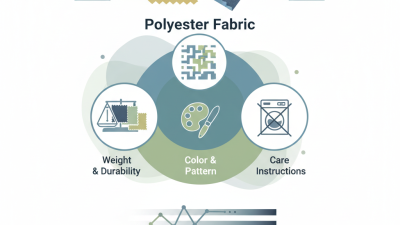
China’s leading polyester furniture fabric manufacturers usually offer more than one standard weave. Their ranges may include velvet, chenille, linen-look fabric, jacquard, suede-effect textiles, and recycled polyester options. Buyers should check fabric weight, width, abrasion resistance, colorfastness, and backing structure. These details affect both appearance and service life.

Practical sampling matters. A reliable manufacturer can provide shade cards, trial meters, construction data, and test reports. Common checks include rubbing resistance, seam slippage, pilling, lightfastness, and flammability requirements for the target market. Ask whether tests come from an independent laboratory. Factory certificates alone may not show actual batch performance.

Production capability also deserves close attention. Large facilities may operate computerized looms, digital printing lines, coating equipment, and automated inspection systems. Smaller orders can reveal flexibility, but they may expose weaknesses in color matching or delivery control. No factory gets every batch perfect. Even a strong supplier may need to correct a dye lot after inspection. Buyers should review quality records, sample approval procedures, and corrective-action reports before placing volume orders. A careful factory will explain its limits instead of promising everything.

How to Compare and Choose the Right Chinese Manufacturer

Choosing among China’s top ten polyester furniture fabric manufacturers requires measurable comparisons, not attractive catalog photography. Textile Exchange’s Materials Market Report 2024 reports that polyester represented about 57% of global fiber production in 2023. That scale confirms its importance, but quality still varies widely. Request identical data from every factory: fiber content, fabric width, GSM, backing, finish, MOQ, and lead time. A one-metre sample is more useful than a tiny swatch.

For upholstery, compare Martindale abrasion, pilling, seam slippage, and colorfastness. Ask for ISO 12947 abrasion results and ISO 105 colorfastness results. Use exact test conditions. A 100,000-cycle claim means little without pressure, load, and construction details. Check whether the reported fabric matches your final backing and coating. It often does not. Request independent laboratory reports, not only internal inspection sheets.

Sustainability also deserves verification. Textile Exchange’s 2024 report estimates recycled polyester represented roughly 12% of polyester production in 2023. Ask whether recycled content is traceable and supported by a valid certification. Review factory audit dates, defect-control records, sample approval procedures, and corrective-action evidence. Then place a small trial order before committing to container volume. My own cautious view: the cheapest quotation is rarely the lowest total cost. Freight delays, shade variation, and rework can quietly erase the saving. Compare communication quality, too. Slow answers usually become slower production updates.