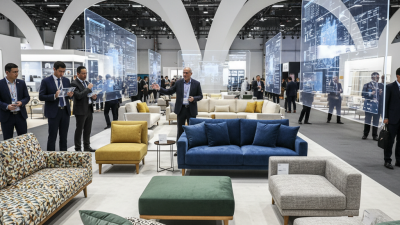
Top Polyester Furniture Fabric Trends for Global Buyers?
In recent years, the demand for Polyester Furniture Fabric has surged significantly. A report by Grand View Research reveals a projected global market growth rate of 5.2% from 2021 to 2028. This fabric blend offers durability and affordability, making it a favorite among consumers. Its versatility allows designers to create a range of styles, from modern to classic.
Despite its popularity, challenges remain. Some buyers express concerns over the eco-friendliness of synthetic materials. This awareness is shifting trends toward more sustainable options, such as recycled polyester. However, these alternatives can be costly and less available.
Furthermore, the performance of Polyester Furniture Fabric in various climates is still under scrutiny. While it resists fading and staining, extreme heat can impact its longevity. Buyers should weigh durability against aesthetic preferences to make informed choices. Understanding these complexities is essential for global buyers navigating this evolving market.
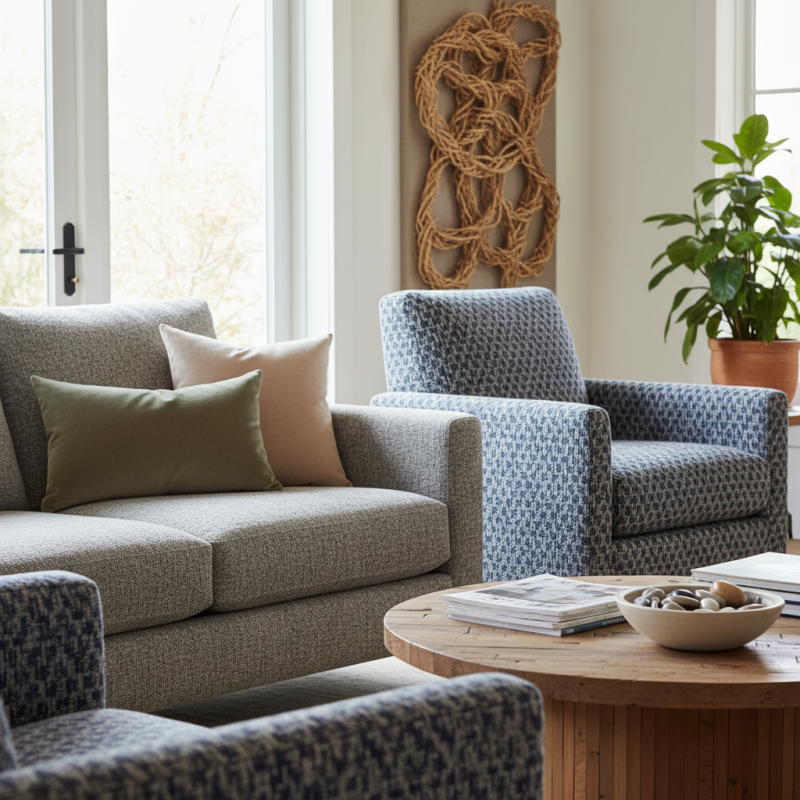
Top Polyester Furniture Fabric Trends for Global Buyers
The global furniture fabric market is experiencing a significant shift. Polyester, known for its durability and affordability, is at the forefront of this change. According to recent market research, polyester fabrics hold approximately 55% of the furniture fabric market share. This trend highlights the material's growing popularity among consumers and manufacturers alike.
One notable trend is the increasing demand for sustainable polyester fabrics. Eco-friendly production processes are becoming more important. Reports indicate that recycled polyester is projected to grow by 12% annually. This aligns with consumers' desire for environmentally conscious products. Not only does this help reduce waste, but it also offers a chance for differentiation in a saturated market.
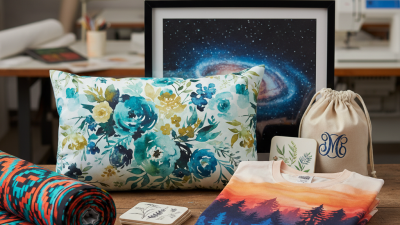
Texture and color are also evolving. A shift towards bold patterns and vibrant hues is notable. Neutral colors are being phased out in favor of more dynamic options. Designers report a demand for fabrics that reflect individuality and personal style. These factors contribute to the changing landscape of polyester furniture fabrics, pushing boundaries and encouraging innovation in design and functionality.
Market Overview: Growth of Polyester Furniture Fabric Industry
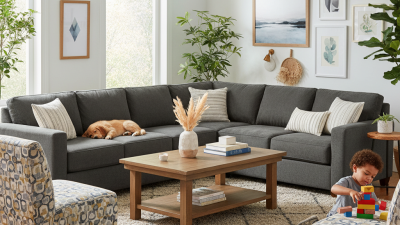
The polyester furniture fabric industry is experiencing notable growth. Increasing demand for durable and cost-effective materials drives this trend. Polyester offers a blend of resilience and aesthetic appeal. Designers are exploring innovative textures and colors, enhancing their offerings. This contributes to a vibrant market, attracting a diverse range of global buyers.
Tips: Look for unique textures when choosing fabrics. A textured surface can add depth to your furniture. Explore various color options to match your décor. Bright colors can create a lively atmosphere, while muted tones provide a classic look.
Investing in polyester furniture fabrics can promise longevity. However, buyers must also consider environmental impact. Recycling options and sustainable sourcing are becoming key factors. Many consumers now seek materials that are eco-friendly, prompting manufacturers to adapt. Exploring these aspects will become essential for future purchases.
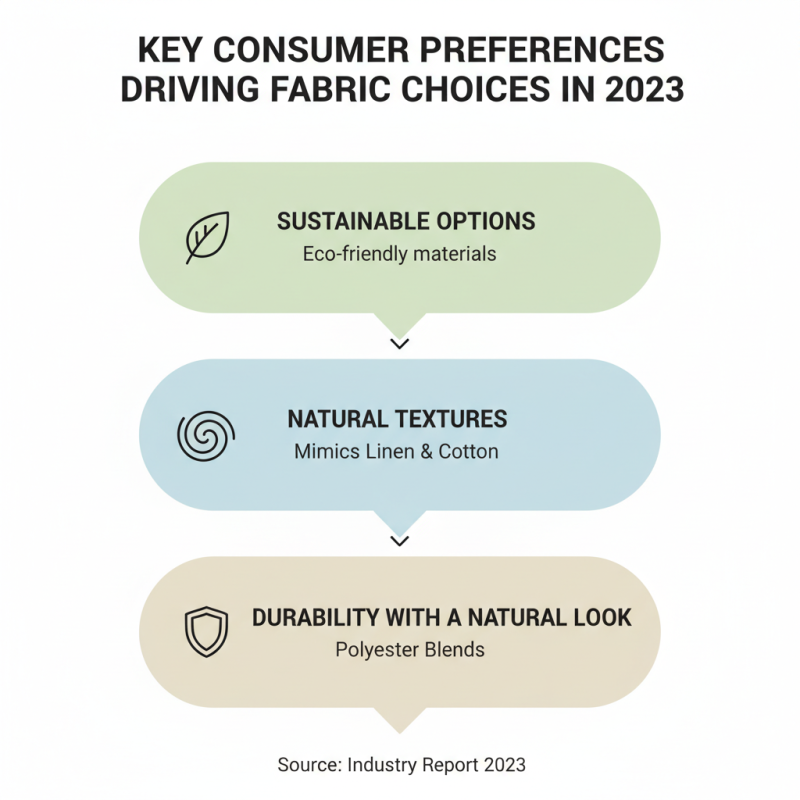
Key Consumer Preferences Driving Fabric Choices in 2023
In 2023, consumer preferences for polyester furniture fabrics are evolving. Buyers are now more focused on sustainable options. Eco-friendly materials make a significant impact on purchasing decisions. Textures that mimic natural fibers are gaining popularity. Consumers appreciate the look of linen or cotton blends with polyester durability.
Color choices are also changing. Warm earth tones are in demand. Soft greens and browns create a calming atmosphere. Bright, vibrant colors are used sparingly, often as accents. This reflects a desire for balance in home decor.
Tips: Consider mixing textures for a unique look. Pair smooth polyester with woven fabrics. This adds depth and interest. Also, consider sustainability when selecting materials. A conscious choice can enhance your brand's image and appeal to eco-aware consumers. Remember, exploring consumer preferences is vital. Trends can shift rapidly, so stay informed.
Sustainability in Polyester Fabrics: Eco-friendly Innovations
Sustainability is becoming vital in the textile industry, particularly in polyester fabrics. Eco-friendly innovations are transforming how fabrics are produced and used. Today, many manufacturers focus on recycling plastic waste into high-quality polyester. This process not only reduces landfill waste but also lessens reliance on virgin resources. By integrating recycled materials, these fabrics can still offer durability and style.
Technological advancements play a crucial role in improving the sustainability of polyester. New dyeing techniques require less water and energy, reducing the environmental impact. It’s worth noting that some companies claim their products are "green" without proper certification. This raises questions about authenticity and environmental benefit. It’s essential for consumers to seek transparent information.
Many buyers seek fabrics made from plant-based materials alongside recycled polyester. There is a growing demand for blends that combine the strengths of different textiles. However, the industry still faces challenges in balancing sustainability with performance. An ongoing dialogue about material sourcing and manufacturing processes is necessary to drive meaningful change. The future of polyester will depend on genuine commitment to eco-friendly practices.
Emerging Patterns and Textures in Polyester Furniture Fabrics
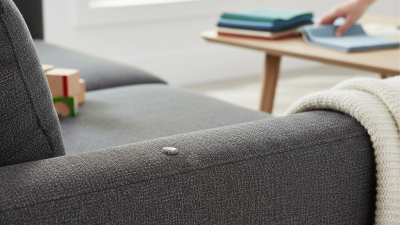
Emerging patterns and textures in polyester furniture fabrics reflect a shift towards sustainability and innovation. Many designers now explore the use of recycled polyester. This trend not only supports eco-friendly practices but also introduces unique textures. Fabrics are being crafted with a tactile feel, enhancing comfort while maintaining durability.
Geometric patterns are gaining popularity. These designs offer a modern touch to traditional furniture pieces. Subtle variations in weave create depth and character. Buyers are drawn to fabrics that boast intricate detailing without overwhelming aesthetics. Simple color palettes combined with textured finishes add sophistication.
However, it’s essential to consider how these trends impact consumer choices. With a wide range of options, buyers often feel overwhelmed. Not every fabric works for every space. Evaluating functionality alongside aesthetics is crucial. Trendy patterns may not suit all interiors, leading to potential buyer's regret. Thoughtful selection remains key in the evolving landscape of polyester furniture fabrics.
Conclusion
The article "Top Polyester Furniture Fabric Trends for Global Buyers" explores the significant growth of the polyester furniture fabric industry, highlighting key trends that are shaping consumer preferences in 2023. As buyers seek more sustainable options, eco-friendly innovations in polyester fabrics are gaining traction, reflecting a growing awareness of environmental impacts.
Additionally, the article delves into the emerging patterns and textures that are becoming popular among consumers, showcasing the versatility and aesthetic appeal of polyester furniture fabric. Regional insights provide a clear picture of leading markets driving the demand for these fabrics, with an emphasis on how different regions are adopting unique styles and preferences. Overall, the article serves as a comprehensive guide for global buyers looking to navigate the evolving landscape of polyester furniture fabric trends.