What is Fabric Textile and How to Choose the Right One?
In the world of fashion and interior design, "Fabric Textile" holds a significant place. As an expert in the field, Dr. Emily Carter states, "The right fabric can transform a simple design into a masterpiece." Choosing the right fabric textile is essential for achieving the desired aesthetic and functionality in any project. With countless options available, the decision-making process can feel overwhelming.
Understanding the qualities of various fabric textiles is crucial. Different materials serve unique purposes. For example, cotton is known for its breathability, while silk offers luxury and elegance. It’s important to consider not only texture and durability but also how each fabric interacts with dye and other design elements. Some fabrics can be a challenge to work with, and their care instructions may not always align with your needs.
Moreover, the ethical aspect of material sourcing cannot be overlooked. Consumers today seek sustainable options. A fabric’s environmental impact is as important as its appearance. Reflecting on these factors can lead to better choices. The right fabric textile goes beyond visual appeal. It's an investment in quality and sustainability that influences both design longevity and environmental responsibility.
What is Fabric Textile?
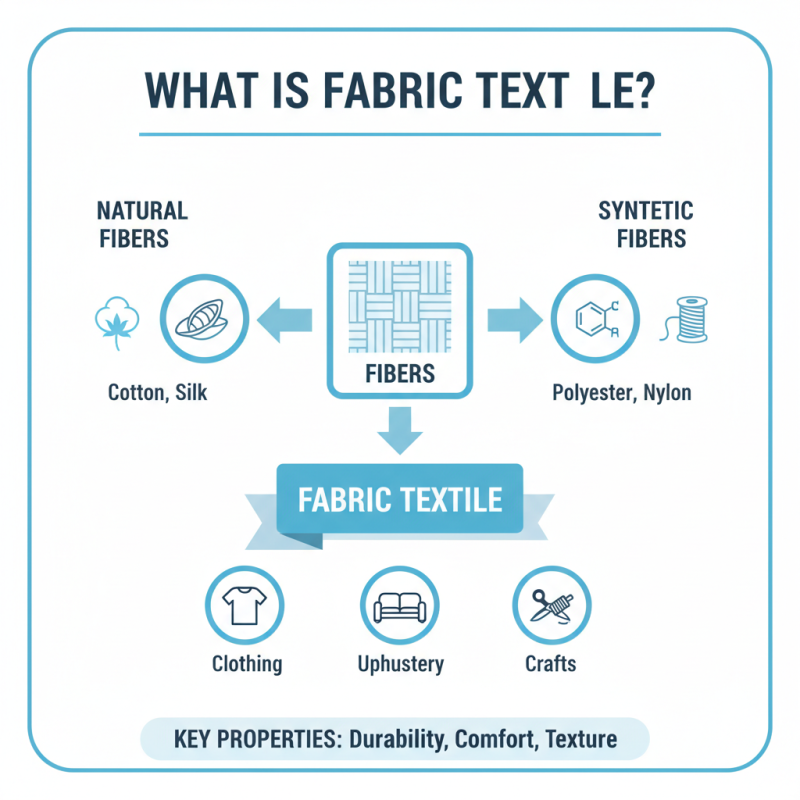
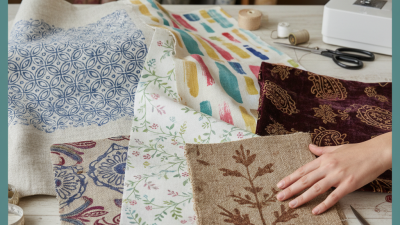
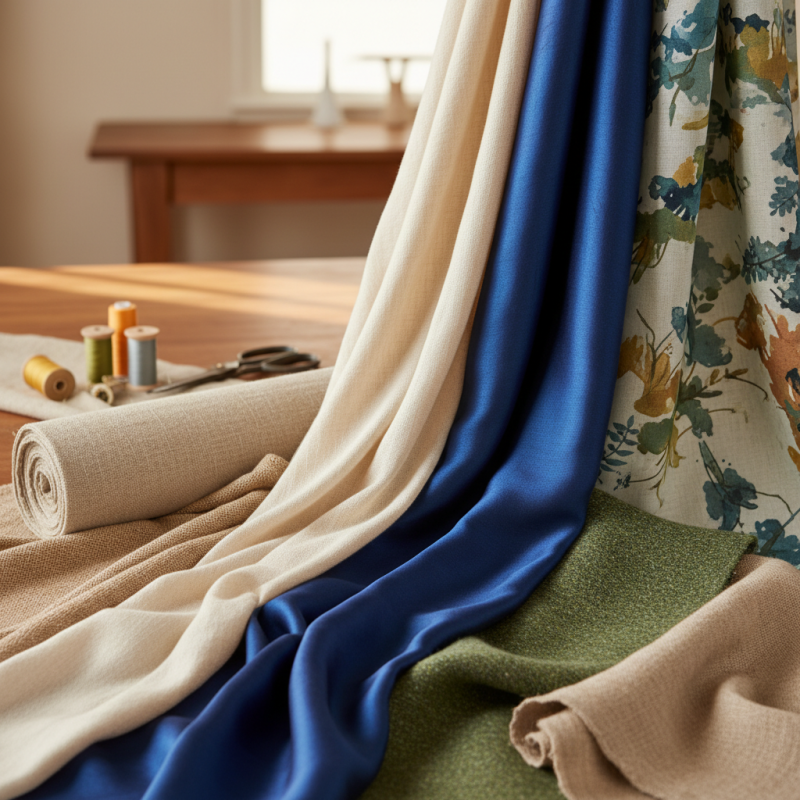
Fabric textile refers to the materials made from fibers. These fibers can be natural, such as cotton and silk, or synthetic, like polyester and nylon. Understanding fabric is essential for various applications, including clothing, upholstery, and crafts. Each type of fabric has its unique properties, affecting everything from durability to comfort.
When choosing fabric, consider the project requirements. A lightweight fabric may be ideal for summer wear, while heavier fabrics might be better for winter clothing. Look for patterns and textures that align with your aesthetic vision. Remember, the right fabric can elevate your project.
**Tips:** Check the fabric's breathability. Natural fibers often allow air circulation. Synthetic fabrics may trap heat and moisture. Don’t forget to test how the fabric feels against your skin; comfort is key. Lastly, think about care instructions. Some fabrics require special treatment.
Choosing the right fabric is personal and subjective. It’s not only about the looks; it’s also about practicality. If you choose a fabric that doesn’t suit your needs, it can lead to disappointments. It’s okay to experiment and learn from those mistakes; it’s all part of the process.
Types of Fabric Textiles: An Overview
Choosing the right fabric textile can feel overwhelming. Each type carries unique properties. From cotton to silk, understanding these differences matters. Cotton is soft and breathable, making it ideal for casual wear. However, it wrinkles easily. Synthetic fabrics, like polyester, offer durability but can lack breathability.
Wool is another option. It is warm and water-resistant. Yet, it may cause irritation for some people. Linen is lightweight and perfect for summer, but it creases quickly. When selecting fabrics, consider comfort and practicality. A well-chosen fabric can enhance your garments significantly.
Sometimes, choosing colors and patterns feels easier than selecting a textile. Focus on how the material feels against your skin. Remember, not all fabrics are sustainable. Check for eco-friendly options that align with your values. Sometimes, embracing imperfections in fabric choices can lead to unexpected satisfaction. Texture, weight, and drape all play crucial roles in your decision. Consider the end use of the fabric. This could change everything.
Factors to Consider When Choosing Fabric Textiles
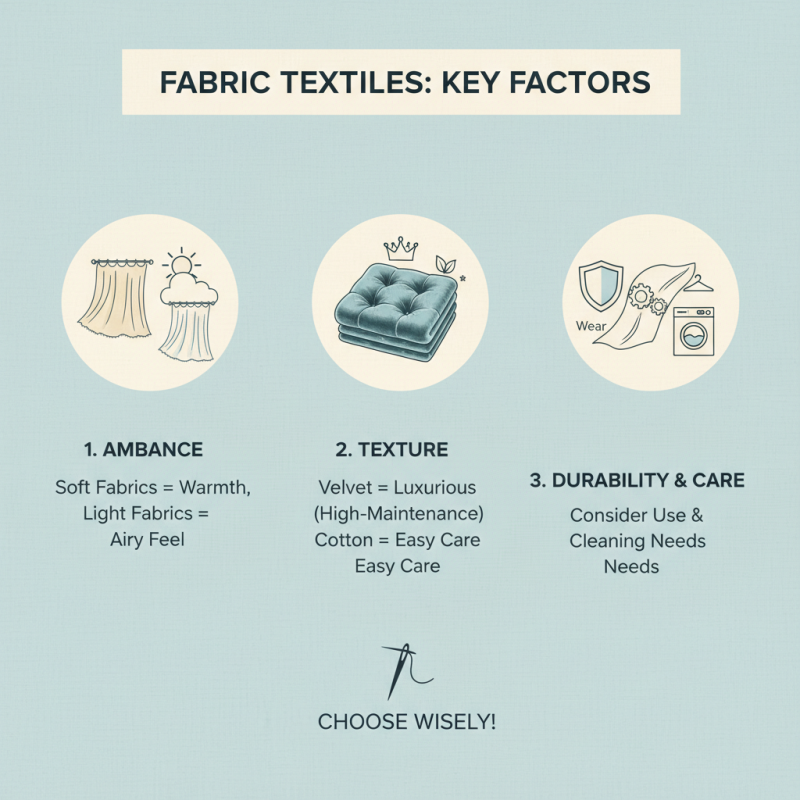
Choosing the right fabric textile can be daunting. Several factors influence this decision. First, consider the ambiance you want to create. Softer fabrics lend warmth, while lighter textiles add an airy feel. The texture is crucial. Velvet feels luxurious but requires more care, while cotton is easy to maintain.
Another important factor is durability. For high-traffic areas, select sturdy materials like canvas or denim. They withstand wear and tear better than delicate options. Cost is also a consideration. Some fabrics are expensive, but investing in quality can result in longer-lasting satisfaction.
Lastly, reflect on the fabric's environmental impact. Sustainable textiles are increasingly available. However, they often come with a higher price tag. The challenge lies in balancing aesthetics, functionality, and sustainability. Each choice shapes your space, making it both a personal and practical decision. Aim for a fabric that meets needs while aligning with your values.
How to Identify Quality in Fabric Textiles
When selecting fabric textiles, understanding quality indicators is essential. The blend of fibers plays a crucial role in durability and texture. According to a 2022 report by the Textile Institute, fabric quality is significantly impacted by fiber type. Natural fibers like cotton and wool often outperform synthetics in breathability and comfort. However, synthetic fabrics can offer superior strength and moisture resistance.
Texture is another key factor. A fabric’s feel can greatly influence its usability. For example, a higher thread count usually suggests a finer, more durable fabric. Research indicates that fabrics with a thread count above 300 provide better longevity and comfort. Visual inspections can also reveal quality; look for even stitches and a uniform surface.
Chemical treatments can enhance performance but may raise health concerns. Reports indicate that many consumers overlook these potential risks in pursuit of performance, highlighting a gap in consumer awareness. Evaluating certifications can help in selecting safer fabrics. While many textiles claim to be eco-friendly, not all meet specific standards. This is an area needing more transparency in the industry.
Sustainable Fabric Textiles: Choosing Eco-Friendly Options
Sustainable fabric textiles have gained popularity in today’s eco-conscious world. These materials are crafted from renewable resources, minimizing environmental impact. Organic cotton, hemp, and bamboo are excellent choices. They reduce the use of harmful pesticides and chemicals. Choosing these fabrics supports biodiversity and healthier ecosystems.
When selecting eco-friendly textiles, consider the production process. Certifications can guide you. Look for labels like "GOTS" or "OEKO-TEX" that ensure ethical practices. It’s essential to know how the fabric was made. Transparency is vital in this industry, but not all brands provide it.
Sometimes, the appeal of traditional fabrics overshadows sustainability. While cotton is a staple, its water consumption is alarming. Reflecting on your textile choices can lead to more mindful consumption. Prioritizing sustainable options might feel overwhelming, yet small changes can have a significant impact. It’s about finding balance in style and sustainability.