Coated Polyester Fabric Buying Tips for Global Sourcing?
In the world of global sourcing, choosing the right materials is crucial. "Coated Polyester Fabric" has become a preferred choice for many manufacturers. According to industry expert Dr. Sarah Liu, "The durability and versatility of coated polyester fabric make it a game-changer." Her insights highlight the growing importance of this fabric.
When sourcing coated polyester fabric, it's essential to consider several factors. Quality can vary greatly among suppliers. A close examination of the coating material is vital for assessing its performance. For example, some coatings offer better water resistance, while others enhance UV protection. The fabric's weight and thickness also affect its application. Each detail plays a role in the final product.
Challenges may arise during sourcing. Common mistakes include overlooking certifications or failing to request samples. These oversights can lead to costly issues later. Failing to communicate effectively with suppliers is another pitfall. It's crucial to ask the right questions to ensure compliance with standards. By embracing a thoughtful approach, businesses can confidently navigate the complexities of sourcing coated polyester fabric.

Understanding Coated Polyester Fabric and Its Applications
Coated polyester fabric is a versatile material used in various applications. Common uses include outdoor gear, tarps, and protective clothing. Its waterproof and durable features make it popular in harsh conditions. Many industries rely on this fabric for its strength and resilience.
The coating on polyester fabric enhances its capabilities. It can be treated for water resistance, UV protection, or flame retardancy. These specialized coatings adapt the fabric for specific environments and needs. However, buyers should understand that not all coatings are created equal. Some offer better performance than others.
When sourcing coated polyester, consider performance metrics like tensile strength, weight, and flexibility. The choice of coating affects usability and longevity. Mistakes in selection can lead to issues, such as premature wear or inadequate protection. Reflection on this process is crucial for effective sourcing decisions.
Coated Polyester Fabric Applications and Popularity
Key Factors to Consider When Sourcing Coated Polyester Fabric
When sourcing coated polyester fabric, several key factors require careful consideration. One important aspect is the coating type. Different coatings can significantly impact fabric performance, including water resistance and durability. A recent industry report by Technavio indicated that the global coated fabric market is expected to grow by 4.5% annually through 2026. This growth reflects the rising demand for high-performance materials across various industries.
Material weight is another critical consideration. Heavier fabrics often provide better durability, essential for applications requiring longevity. According to a study by ResearchAndMarkets, the average weight of polyester fabric used in industrial applications ranges from 200 to 600 grams per square meter. This range offers various options, but choosing the right weight can influence cost and function, encouraging reflection on specific project needs.
Finally, sourcing reliability plays a vital role. The supply chain must be stable to avoid disruptions. Reports have shown that many companies face challenges when sourcing from multiple regions. Online forums reveal frequent concerns about consistency and quality control. Taking the time to evaluate suppliers and their production capabilities can help mitigate future issues.
Evaluating Quality and Durability of Coated Polyester Fabrics
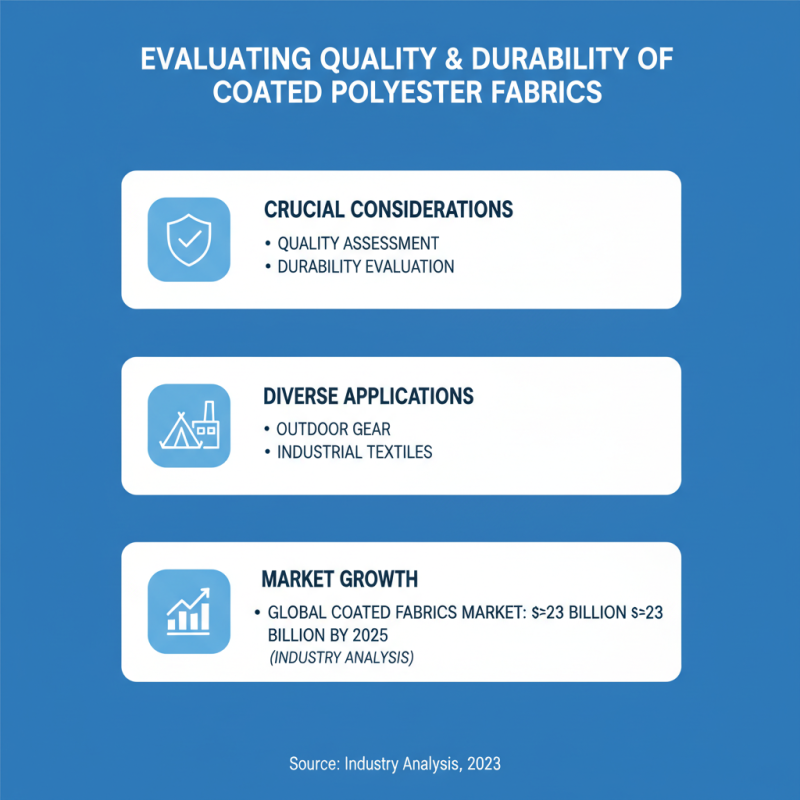
When considering coated polyester fabrics, evaluating quality and durability is crucial. Coated polyester is often used in various applications, from outdoor gear to industrial textiles. According to industry analysis, the global coated fabrics market is projected to reach approximately $23 billion by 2025, highlighting significant demand.
Quality assessment includes checking the thickness of the coating. A standard thickness can range from 0.5 to 1.5 mm. Fabrics thicker than 1 mm often offer better durability, yet they may sacrifice flexibility. An ASTM report also indicates that the abrasion resistance tests of coated polyester can vary widely. A fabric with a higher Martindale abrasion rating generally exhibits better longevity.
Moreover, the longevity of these fabrics can be affected by environmental factors. Prolonged exposure to UV light can degrade the coating. Understanding the fiber's exposure limits is essential. Some manufacturers may claim high resistance, but real-world testing is vital. Buyers should seek transparency in testing methods. This ensures better-informed decisions. Balancing durability, cost, and practical application becomes challenging. Each project might demand different specifications. It's important to find a reliable supplier who fits those needs.
Sustainability and Eco-Friendliness in Coated Polyester Manufacturing
Sustainability is becoming essential in the coated polyester fabric industry. Manufacturers are increasingly focused on eco-friendly practices. This involves using recycled materials and reducing waste during production. Coated polyester, known for its durability, can also be made with environmentally friendly processes.
Choosing sustainably produced fabrics makes a difference. Look for certifications that guarantee eco-friendly practices. This could include lower carbon emissions and cleaner water usage. Many manufacturers strive to improve their methods, yet not all are transparent. Buyers should ask for details about sourcing and the materials used.
While coated polyester is versatile, challenges arise. Some processes still rely on chemicals that can harm the environment. It is vital to balance functionality and eco-awareness. Consumers need to question where their fabrics come from. Greater awareness leads to better choices. The journey toward sustainability is ongoing and requires commitment from all involved.
Coated Polyester Fabric Buying Tips for Global Sourcing
| Property |
Importance |
Sustainability Consideration |
Certification Standards |
| Durability |
High - ensures the fabric can withstand wear and tear |
Use of recycled polyester can enhance durability |
Global Recycled Standard (GRS) |
| Water Resistance |
Medium - important for applications in outdoor gear |
Eco-friendly coatings to reduce environmental impact |
OEKO-TEX Standard 100 |
| Breathability |
High - crucial for comfort in clothing |
Look for moisture-wicking recycled materials |
Global Organic Textile Standard (GOTS) |
| Weight |
High - affects the overall use and application |
Lighter fabrics can be made from sustainable fibers |
ISO 14021 |
| Color Fastness |
Medium - ensures longevity of aesthetics |
Non-toxic dyes contribute to sustainability |
GOTS, OEKO-TEX |
Supplier Selection and Negotiation Tips for Sourcing Fabrics
When sourcing coated polyester fabric, supplier selection is crucial. A recent report by Market Research Future indicates that the global polyester fabric market is projected to grow at a CAGR of 5.8% from 2021 to 2028. This growth reflects the increasing demand for innovative and durable materials.
Consider focusing on suppliers with proven industry experience. Look for companies that have been operating for over a decade. They are more likely to understand market trends and quality demands. Verify their credentials and past projects to gauge their expertise.
Negotiation is another essential aspect of sourcing fabrics. Reports suggest that many buyers overlook this stage. Proper negotiation can reduce costs substantially. Aim to establish long-term relationships with suppliers. This strategy enhances reliability and quality consistency over time. Remember, not all deals are straightforward. Reflect on the potential risks associated with price cuts. Sometimes, lower prices may indicate compromised quality.
Always request samples before finalizing your order. Analyzing quality firsthand is key. Factoring shipping and lead times can help avoid delays. Aim for transparency in communication to clarify expectations and responsibilities.