How to Choose the Best Print Polyester Fabric for Your Needs?
Choosing the right Print Polyester Fabric can significantly impact your project’s success. The global market for polyester fabrics is anticipated to reach $172 billion by 2024, reflecting their popularity in various applications. With superior durability, vibrant print quality, and affordability, Print Polyester Fabric stands out among options.
When selecting the best fabric, consider your specific needs. Different weights, textures, and finishes influence the fabric's performance. For instance, lightweight polyester may be ideal for apparel, while heavier options are better for upholstery. Industry reports show that approximately 60% of garment manufacturers prefer polyester for its versatility and longevity.
However, not all polyester fabrics are created equal. Variations in production processes can lead to inconsistent quality. It's essential to research suppliers and test samples before committing to bulk purchases. The wrong choice can result in wasted resources and disappointed customers. Evaluating factors such as breathability and print retention helps refine your options.
Understanding Print Polyester Fabric: Properties and Uses
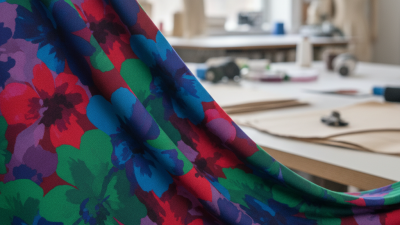
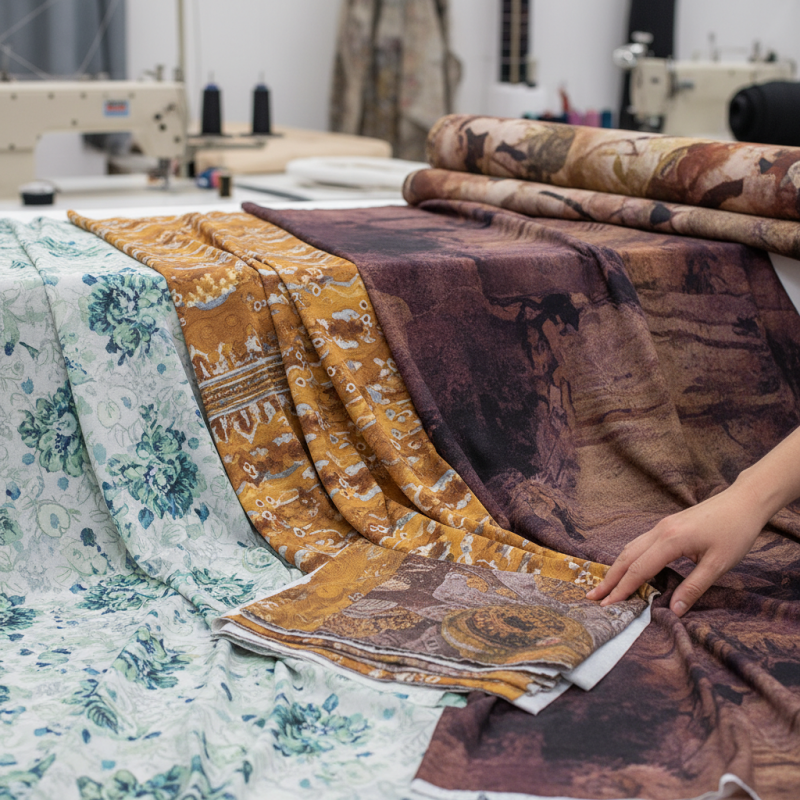
When selecting print polyester fabric, understanding its properties and uses is essential. This versatile material boasts excellent durability. It’s resistant to wrinkles, shrinking, and stretching. Print polyester holds vibrant colors exceptionally well, making it a popular choice for various applications. From fashion to home decor, it serves multiple purposes.
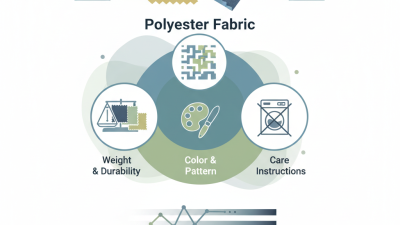
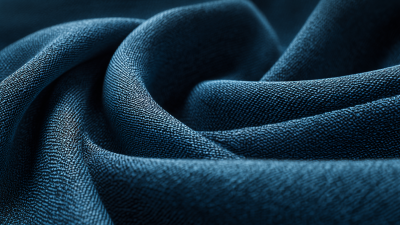
Consider the weight of the polyester fabric. Lightweight options are suitable for garments, while heavier versions work well for upholstery. Also, examine the texture. Some prints have a smooth finish, perfect for formal wear, while others might have a slight stretch, making them great for activewear. Don’t forget to think about the print quality as well. High-resolution prints look sharp and professional, enhancing the overall appeal of your projects.
Tips: Always request fabric swatches. This allows you to feel the texture and see the colors in person. Check care instructions; some fabrics require special washing methods. Lastly, think about the intended use. Will the fabric be exposed to sunlight? If so, UV-resistant options may be necessary. Being informed helps you reach better decisions.
Understanding Print Polyester Fabric: Properties and Uses
Evaluating Fabric Weight: Choosing the Right GSM for Your Project
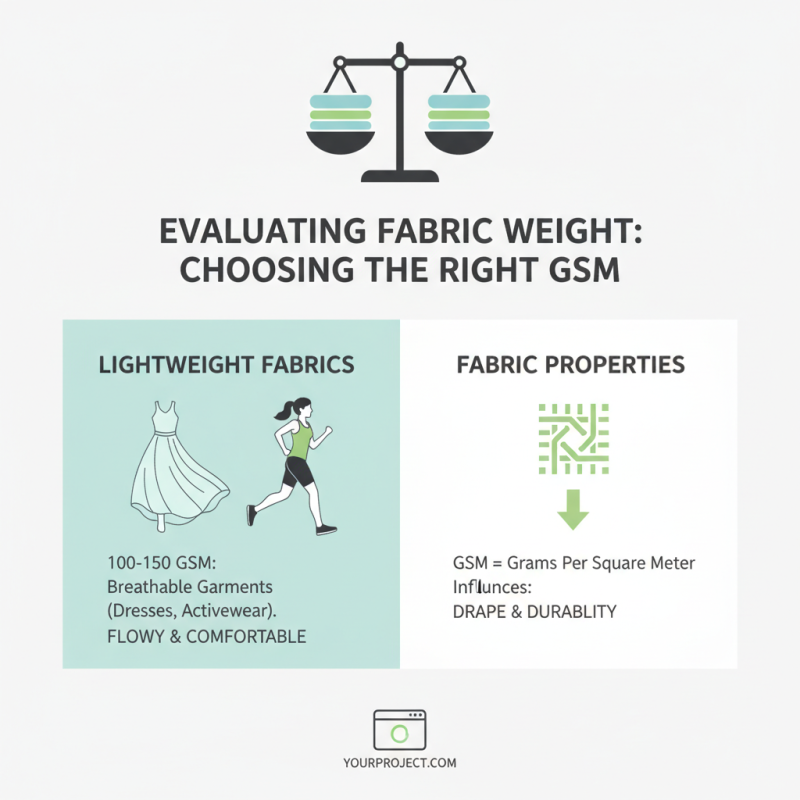
When selecting print polyester fabric, understanding fabric weight is crucial. The weight, typically measured in grams per square meter (GSM), directly influences a fabric's drape and durability. For instance, lighter fabrics around 100-150 GSM are ideal for breathable garments, like summer dresses and activewear. These fabrics flow well and provide comfort in warmer conditions.
Conversely, heavier fabrics, over 200 GSM, offer increased durability and structure. They work well for items requiring a more robust feel, such as upholstery or outerwear. According to industry reports, fabrics within the 150-200 GSM range strike a balance between weight and flexibility. This versatility makes them suitable for a range of applications, from casual wear to stylish home décor.
Evaluating the right GSM involves reflecting on your project’s requirements. A common oversight is assuming that heavier is always better. A fabric too heavy might lack movement in a dress, while a too-light option may not withstand wear and tear in everyday items. Thus, understanding how weight interacts with fabric type and intended use is key to making an informed choice.
Exploring Print Methods: Sublimation vs. Direct Printing Techniques
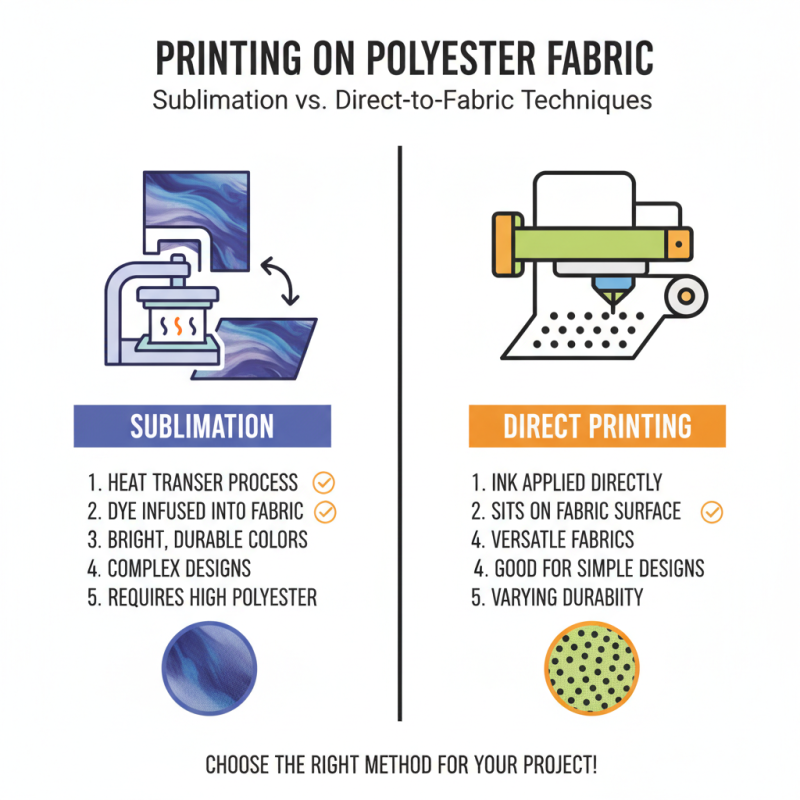
When selecting print polyester fabric, understanding the printing methods is crucial. Sublimation and direct printing are two popular techniques, each with its strengths and weaknesses. Sublimation involves a heat transfer process that infuses dyes into the fabric. This results in vibrant colors that won't fade easily. It's ideal for items that require complex designs and detailed patterns. The downside? The polyester content must be high for effective dye transfer.
Direct printing, on the other hand, applies ink directly onto the fabric's surface. This method allows for a wider range of fabric types. However, the colors may not be as vibrant as sublimation. It can also lead to fading with multiple washes. Direct printing is useful for smaller production runs or custom designs. But the durability might not match that of sublimation.
Choosing between these methods depends on your needs. Consider the fabric's end use, washing frequency, and design complexity. If durability and vibrancy are priorities, sublimation is likely the better choice. Yet, if you need versatility and lower setup costs, direct printing may suit your project. Reflect on these factors carefully to make an informed decision.
Assessing Durability: Factors Influencing Fabric Longevity
When assessing the durability of print polyester fabric, several key factors play a crucial role. One critical aspect is the fabric's composition. High-quality polyester typically contains a blend of fibers that improve strength and longevity. According to a recent industry report, fabrics with a denier of 300 or higher exhibit better wear resistance and durability. This data underscores the importance of checking specific fabric specifications when making your selection.
Another factor influencing fabric longevity is the printing method used. Digital printing, for example, can yield more durable designs compared to traditional methods. A survey conducted by the Textile Research Journal indicated that digital prints maintained their vibrancy after 50 washes, outperforming conventional screen-printed alternatives. Nevertheless, it's essential to consider the environmental impact as well. Some printing processes involve chemicals that may affect fabric integrity over time.
Finally, the end-use of the fabric is vital for its durability. High-stress applications, like upholstery, require fabrics that can withstand more wear and tear. A study from the American Association of Textile Chemists and Colorists emphasizes that fabrics designed for heavy-duty use often come with specialized coatings that enhance their resistance to abrasion and fading. Balancing performance with environmental considerations remains an ongoing challenge for the industry.
How to Choose the Best Print Polyester Fabric for Your Needs? - Assessing Durability: Factors Influencing Fabric Longevity
| Fabric Type |
Durability Rating |
Resistance to Fraying |
Wash Cycle Endurance |
UV Resistance |
Pill Resistance |
| Lightweight Polyester |
3/5 |
Moderate |
Up to 20 cycles |
Low |
Moderate |
| Mid-weight Polyester |
4/5 |
High |
Up to 30 cycles |
Moderate |
High |
| Heavyweight Polyester |
5/5 |
Very High |
Up to 50 cycles |
High |
Very High |
| Sublimation Polyester |
4/5 |
High |
Up to 25 cycles |
Moderate |
High |
| Recycled Polyester |
3/5 |
Moderate |
Up to 15 cycles |
Low |
Moderate |
Sustainability Considerations: Eco-Friendly Options in Polyester Fabrics
When considering polyester fabric, sustainability is crucial. Many eco-friendly options exist today. Recycled polyester is a popular choice. It reduces waste by repurposing plastic bottles and other materials. This process not only conserves resources but also minimizes environmental impact.
Tips for choosing sustainable fabrics include looking for certifications. Look for labels like Global Recycled Standard. This assures you the fabric meets specific environmental standards. Another option is biobased polyester, made from renewable sources. It provides an alternative that can lessen reliance on petroleum.
Pay attention to the production process. Some methods use less water and energy. Opt for manufacturers that prioritize eco-friendly practices. Remember, the choice of fabric impacts the entire lifecycle of your garment. Ensure your selections align with your values for a sustainable future.