How to Choose the Best Polyester Dyed Fabric for Your Needs?
Choosing the best Polyester Dyed Fabric requires careful consideration of various factors. This fabric is prominent in the textile industry due to its durability and vibrant color retention. According to a report by Textile World, the demand for polyester fabrics is expected to grow by 5% annually, reflecting its popularity.
In the competitive market, not all polyester dyed fabrics are created equal. Factors such as dyeing method, texture, and application play crucial roles. For instance, low-quality dyeing techniques can result in fading over time. A study from the American Chemical Society indicates that quality dye processes significantly enhance fabric longevity and colorfastness.
Buying polyester dyed fabric should not be rushed. Potential buyers must assess their specific needs, such as usage in garments or home décor. Evaluating certifications and compliance with industry standards is also necessary. A lack of attention to these details can lead to poor investment choices and dissatisfaction. Prospective users often overlook these aspects, which can impact their overall experience with the fabric.
Understanding Polyester Dyed Fabric Characteristics
When selecting polyester dyed fabric, it’s vital to understand its unique characteristics. Polyester, known for its durability, resists wrinkles and shrinking. This fabric is often lightweight, making it ideal for various applications, from clothing to home décor. However, not all polyester is created equal. The dyeing process can impact the fabric’s quality and colorfastness. Some dyed fabrics may fade more quickly than others, causing disappointment.
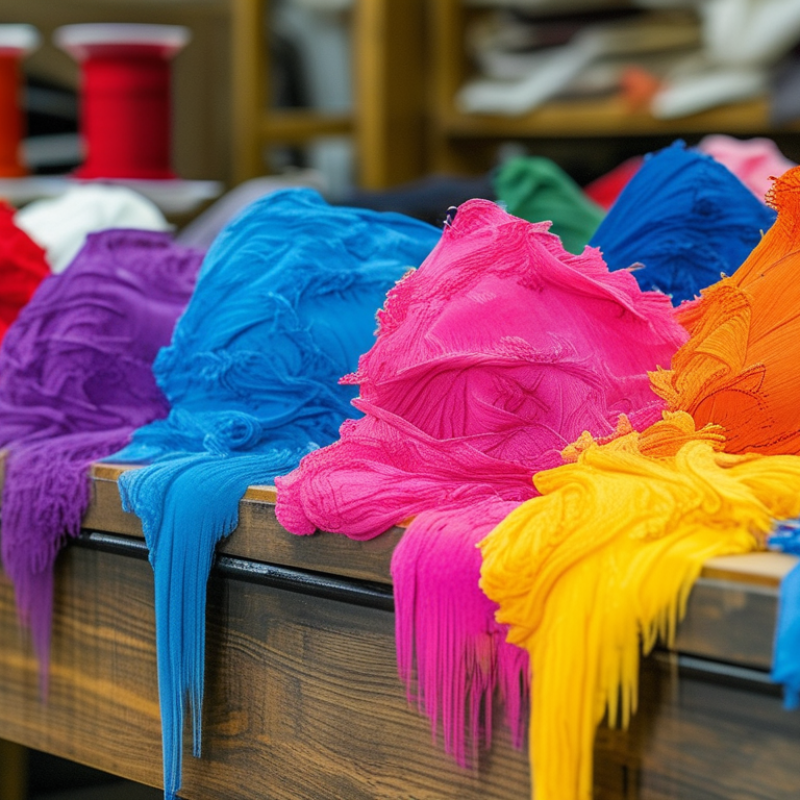
Color vibrancy is another essential characteristic to consider. Polyester can hold color well, but it depends on the dye used. High-quality dyes offer rich hues that withstand multiple washes. Conversely, cheaper options might lose their luster. Shining a light on these differences can help you make informed decisions.
Moreover, consider the feel of the fabric. Some polyester fabrics can be softer, while others may feel a bit coarse. Testing swatches can reveal this before making a purchase. Being mindful of these details can lead to better choices. Reflect on your priorities—is it durability, color, or texture? Each aspect influences the overall satisfaction with your fabric selection.
How to Choose the Best Polyester Dyed Fabric for Your Needs?
| Characteristic |
Description |
Best Use Cases |
| Colorfastness |
Resistant to fading and bleeding when washed. |
Clothing, upholstery, outdoor fabrics. |
| Durability |
Strong and long-lasting, doesn’t fray easily. |
Work uniforms, activewear, home textiles. |
| Breathability |
Allows moisture to escape, keeping the fabric comfortable. |
Sportswear, summer garments. |
| Weight |
Available in various weights for different applications. |
Lightweight for t-shirts, heavier for coats. |
| Texture |
Can be smooth, textured, or resemble natural fibers. |
Fashion garments, upholstery materials. |
Evaluating Color Fastness and Durability in Polyester Fabrics
When selecting polyester dyed fabric, color fastness is a key factor. According to industry studies, nearly 40% of consumers report dissatisfaction due to fading colors. Fabrics that exhibit high color fastness scores, like those tested on the AATCC scale, show better resistance to washing and light exposure. These fabrics retain their vibrancy longer, which is crucial for applications in fashion or home textiles.
Durability is equally important. The strength of polyester is well-documented. Research indicates that polyester fabrics can withstand up to 70% more wear and tear compared to cotton. Additionally, many polyester fabrics resist shrinking and wrinkling. However, not all polyester is created equal. Some dyed fabrics may lose their durability over time if they aren't treated properly. Frequent washing can compromise the integrity of the dyes, leaving the fabric looking worn.
Purchasing polyester dyed fabric without proper evaluation can lead to disappointment. Look for independent testing results to gauge color fastness and durability. Reliable sources often publish comprehensive reports on different polyester types. Not all vendors guarantee the same quality, leaving room for imperfections and inconsistencies. It’s vital to approach your fabric choices critically, ensuring they meet both aesthetic and practical needs.
Identifying Weaves and Textures for Specific Applications
Choosing the right weave and texture of polyester dyed fabric is crucial for various applications. Different weaves create distinct qualities. For instance, a tight weave can enhance durability. In contrast, a loose weave may offer breathability. Understanding these differences can guide your selection process.
Texture also plays a vital role in the fabric's performance. Soft textures work well for garments. They create a comfortable wearing experience. On the other hand, textured surfaces might add visual interest to home décor. It's important to consider how these characteristics align with your project's needs.
Many times, people overlook the significance of weave and texture. This can lead to dissatisfaction with the final product. Think about your intended use—will the fabric endure wear and tear? What kind of look do you want to achieve? Reflection on these questions can prevent future frustrations.
Comparing Cost and Quality of Polyester Dyed Options
When selecting polyester dyed fabric, it’s vital to compare both cost and quality. Lower-priced options may seem appealing, but they often compromise on durability. A fabric with vibrant colors may fade quickly, leading to a poor return on investment. Evaluating the longevity of the dyeing process is crucial. Some dyes bond better with the fibers, which impacts how well the color holds over time.
Quality also involves texture and weave. Fabrics can feel vastly different, even when made from the same material. A cheaper option might offer a rough feel, while more carefully processed fabrics provide a soft touch. Keep in mind the purpose of the fabric. For clothing, a softer finish could enhance comfort. For upholstery, durability might take precedence over softness.
Researching dyeing methods can be revealing. Not all polyester dyes are created equal. Some may be environmentally friendly but less vibrant, while others prioritize bold colors but may use harmful chemicals. Reflecting on these aspects helps guide your decision. It's essential to consider what trade-offs you’re willing to make for both budget and quality.
Sourcing Sustainable and Eco-Friendly Polyester Fabrics
When choosing polyester dyed fabrics, focus on sustainability. The rise of eco-friendly materials is not just a trend; it reflects a growing consumer demand for responsible sourcing. According to a 2021 report by McKinsey & Company, around 67% of consumers consider sustainability when making purchases. This makes it crucial to understand how to select the best eco-friendly options.
Sustainable polyester fabrics often use recycled materials, reducing the reliance on virgin resources. Check for certifications like Global Recycled Standard (GRS) or Oeko-Tex, which ensure environmental responsibility and safety. These fabrics often undergo less water and energy consumption during production. Research suggests that recycled polyester can save up to 80% in energy costs compared to conventional polyester.
Tips: Look for suppliers who practice transparency in their sourcing methods. Reputable manufacturers should provide details about their supply chain and production processes. Frequent third-party audits can also assure fabric quality and sustainability. Stay informed about innovations in the industry, as advancements frequently emerge. Remember that not all dyed polyester is created equal; be selective and intentional in your choices.
Polyester Dyed Fabric Sustainability Comparison