China Best Printable Polyester Fabric Manufacturer?
Choosing the China best Printable Polyester Fabric manufacturer requires more than comparing prices. It demands evidence, testing, and a clear understanding of your application. A reliable supplier should explain fabric weight, weave, coating, ink compatibility, color performance, and finishing options. These details affect image sharpness, drying speed, outdoor durability, and sewing quality.
Debbie McKeegan, a recognized digital textile printing expert, has said, “Digital textile printing is about creating opportunities, not simply replacing analogue methods.” That idea matters when evaluating Printable Polyester Fabric suppliers. The right factory should support those opportunities with practical engineering, not impressive promises alone. Ask for recent production samples. Check a close-up of the printed surface. Look for clean gradients, even white areas, and stable dimensions after heat exposure. Small faults become expensive when they appear across thousands of meters.
Experience also matters. A manufacturer serving exhibition graphics may not understand sportswear, flags, soft signage, or home decoration. Request application-specific recommendations. Confirm production capacity, quality-control procedures, environmental documentation, and export experience. Independent laboratory reports can strengthen trust, especially for abrasion, washing, shrinkage, and lightfastness results. Still, certificates do not guarantee perfect performance. They only provide part of the picture.
A thoughtful buyer should compare samples under real conditions. Use the intended printer, ink, temperature, and finishing process. Record the results. Some suppliers may offer lower prices, but inconsistent coating can create banding, color shifts, or waste. I have found that “best” is rarely absolute. It depends on the fabric’s purpose, delivery expectations, and tolerance for risk. This guide examines the evidence behind China’s leading Printable Polyester Fabric manufacturers and the questions that serious buyers should ask.
What Is Printable Polyester Fabric?
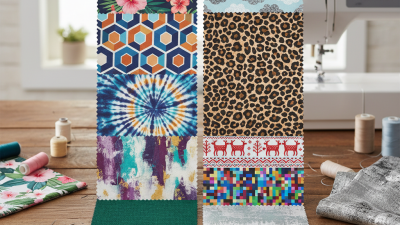
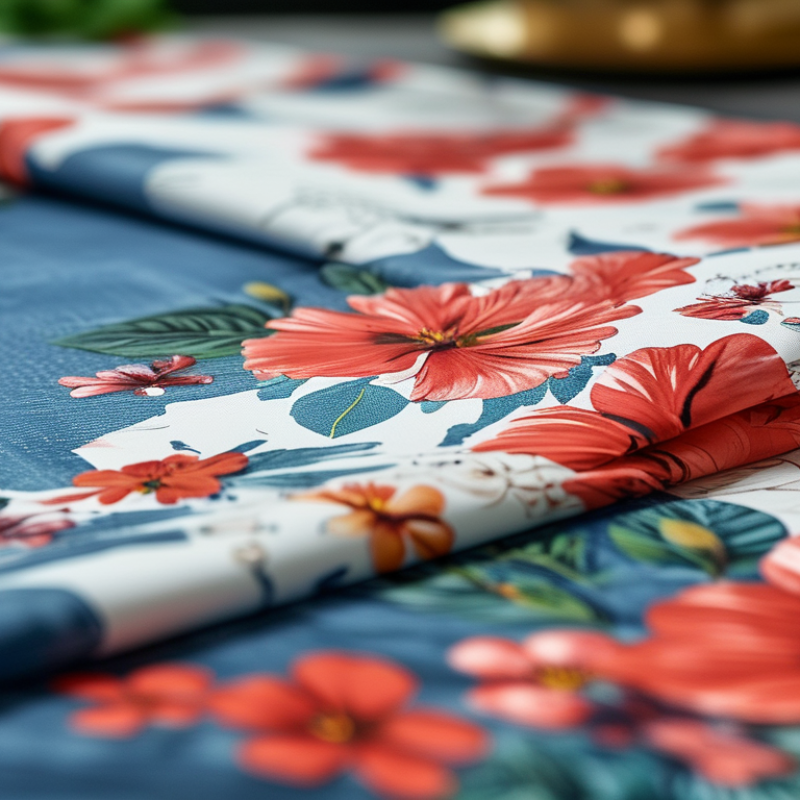
Printable polyester fabric is a woven or knitted polyester textile prepared for digital image reproduction. Its polyester fibers accept disperse dyes effectively during heat transfer. Under controlled heat, the dye becomes gas and bonds with the fiber surface.
The definition is not perfectly standardized. Some fabrics require a coating for sharper pigment or UV printing. Others are engineered mainly for dye sublimation. According to Textile Exchange’s 2024 Materials Market Report, polyester represented about 59% of global fiber production in 2023. This scale supports broad fabric availability, but it does not guarantee printing quality.
US$2.7 billion
Grand View Research estimated the digital textile printing market at roughly US$2.7 billion in 2023.
120–150 gsm
A 120–150 gsm fabric may suit flags or displays, while heavier textiles can provide better structure.
That growth reflects demand for shorter runs, vivid graphics, and reduced setup waste. In practical testing, buyers should check fabric weight, weave density, whiteness, shrinkage, and color consistency. A 120–150 gsm fabric may suit flags or displays, while heavier textiles can provide better structure. Ask for wash, rubbing, and lightfastness results. Small samples matter.
A glossy surface can look impressive.
Yet, excessive coating may reduce breathability and create uneven color after heat pressing. China’s printable polyester manufacturers should provide production records, laboratory data, and batch samples. Certification alone is not enough. The print result also depends on ink, temperature, pressure, and operator control, which buyers sometimes overlook.
Key Features of Printable Polyester Fabric
China Best Printable Polyester Fabric Manufacturer?
Key Features of Printable Polyester Fabric
Printable polyester fabric combines strength, low moisture absorption, and strong color performance. These properties support flags, displays, backdrops, sportswear, and interior graphics. Grand View Research valued the global digital textile printing market at USD 2.31 billion in 2023. Its report forecasts a 12.1% compound annual growth rate from 2024 to 2030. Polyester remains important because dye-sublimation inks bond effectively with its fibers.
Details matter. A reliable fabric should offer consistent GSM, stable width, and controlled shrinkage. For example, 110–160 GSM fabric suits lightweight displays, while heavier constructions provide better opacity and shape retention. A smooth surface improves small text and edge definition. A tighter weave can reduce ink strike-through, but it may also slow drying. This trade-off deserves testing.
Color quality should be checked under standard conditions, not only beside a factory window. ISO 105-B02 testing helps assess light fastness, while wash and rubbing tests reveal practical durability. Experienced buyers should request production samples, ink compatibility results, and batch records. The Global Organic Textile Standard and ISO 9001 are useful reference points, but certification alone cannot replace inspection.
No fabric performs perfectly in every application. Humidity, heat, coating, and printer settings can change the final image. Test before scaling.
How Printable Polyester Fabric Is Manufactured
China Best Printable Polyester Fabric Manufacturer?
How Printable Polyester Fabric Is Manufactured
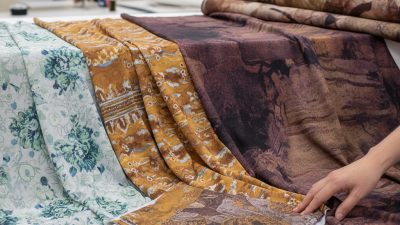
Printable polyester fabric begins with carefully selected polyester yarns. The yarns are knitted or woven into a stable textile structure. Different structures create different surfaces, stretch levels, and print results. A smooth surface usually supports sharper images.
The unfinished fabric then receives washing, heat setting, and surface preparation. These treatments remove oils and control shrinkage. Fabric technicians measure width, weight, moisture, and surface tension before printing. Small variations here can affect ink absorption. They matter more than many buyers expect.
In dye-sublimation printing, controlled heat turns solid dye into gas. The dye then enters the polyester fibers and becomes part of the fabric. The printed roll is cooled, inspected, and tested for color consistency, rubbing resistance, and dimensional stability. Production teams also check the first and last meters. They may not match perfectly.
No production line is flawless. Humidity, temperature, and fabric tension can change the final shade. Experienced manufacturers record these conditions and adjust them carefully. A practical inspection under natural light often reveals issues that machines miss. Better results come from repeatable controls, not attractive promises alone. Surface cleanliness, accurate calibration, and honest reporting remain essential.
How to Evaluate a Polyester Fabric Manufacturer in China
China’s Best Printable Polyester Fabric Manufacturer? How to Evaluate a Polyester Fabric Manufacturer in China
A reliable manufacturer should prove performance with physical samples, not polished photos. Request fabric swatches with different weights, widths, finishes, and print results. Check color density, white-point consistency, surface smoothness, and drying speed under your intended printing method. Measure shrinkage after washing or heat exposure. Small changes can affect large-format graphics.
Factory experience matters, but it needs evidence. Ask about production equipment, quality-control checkpoints, raw-material traceability, and daily capacity. A responsible supplier should explain inspection standards clearly and provide recent test reports when appropriate. Review packing methods, lead times, minimum order quantities, and sample revision procedures. Communication is also a quality signal. Delayed answers may create larger production problems later. A clean showroom is not proof of stable manufacturing. This is an easy mistake to make.
Tips: Order a trial batch before committing. Compare rolls from different production dates. Inspect the fabric under daylight and printed light. Ask how defects are recorded and replaced. Check whether the stated width includes usable edges. Also, leave room for uncertainty; even a capable factory may miss a minor issue, so written specifications and documented approvals remain essential.
How to Evaluate a Polyester Fabric Manufacturer in China
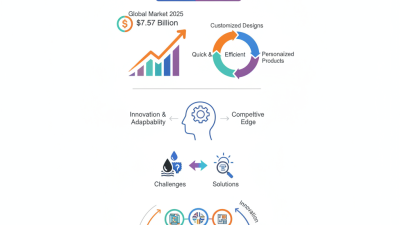
This illustrative buyer-evaluation framework prioritizes measurable factors such as fabric consistency, printing performance, quality control, customization capability, documentation, and delivery reliability. Buyers should confirm each score through samples, test reports, factory audits, and production records.
Applications and Customization Options for Printable Polyester Fabric
China Best Printable Polyester Fabric Manufacturer?
Printable polyester fabric supports many visual applications, from trade show walls to retail banners and event backdrops. Its lightweight structure makes transport easier, while the textile surface reduces glare under strong indoor lighting. Dye-sublimation printing can produce vivid graphics that penetrate the fibers instead of sitting heavily on the surface. This helps maintain a soft hand feel and clean folds.
Details matter.
A suitable supplier should discuss fabric weight, width, stretch, opacity, and finishing before production. Lightweight fabric may suit hanging displays, while denser material can improve coverage behind bright lighting. For outdoor flags, wind permeability may be more useful than maximum opacity. Custom options can include custom widths, color management, silicone edges, hems, pole pockets, grommets, and tailored packaging. Flame-resistant treatments may also be required for certain venues, but documentation should match local regulations. Always request a printed sample. Check color accuracy, edge sharpness, shrinkage, and seam strength after handling. A perfect sample is not enough if bulk rolls behave differently. That is where careful inspection sometimes exposes an overlooked problem. Experienced manufacturers should provide technical specifications, production records, and realistic lead times. They should also explain limitations clearly, especially when a design contains fine text, dark gradients, or large solid color areas.