Best Polyester Upholstery Fabric for 2026 Trends?
As the demand for stylish and durable home furnishings continues to rise, the importance of selecting the right materials becomes paramount. Polyester upholstery fabric stands out due to its adaptability and resilience. A recent report from MarketResearchFuture indicates that the global upholstery fabric market is expected to reach USD 23 billion by 2026, with polyester holding a significant market share.
Polyester upholstery fabric is celebrated for its stain resistance and vibrant color retention. This allows homeowners to choose fabrics that not only match their aesthetic but also stand the test of time. Industry professionals emphasize that the right blend of polyester can enhance durability while providing a soft feel. However, some consumers may overlook the environmental impact of synthetic materials. This is an area that merits further exploration and reflection.
The evolving trends for 2026 suggest a shift towards sustainable options within the polyester segment. Innovations are emerging to create eco-friendly polyester fabrics, minimizing the environmental footprint. As the upholstery fabric landscape continues to change, staying informed about these trends is essential for making responsible decisions in home design.
Overview of Polyester Upholstery Fabric Popularity in 2026
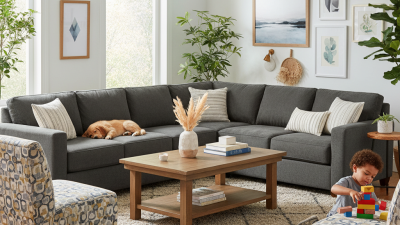
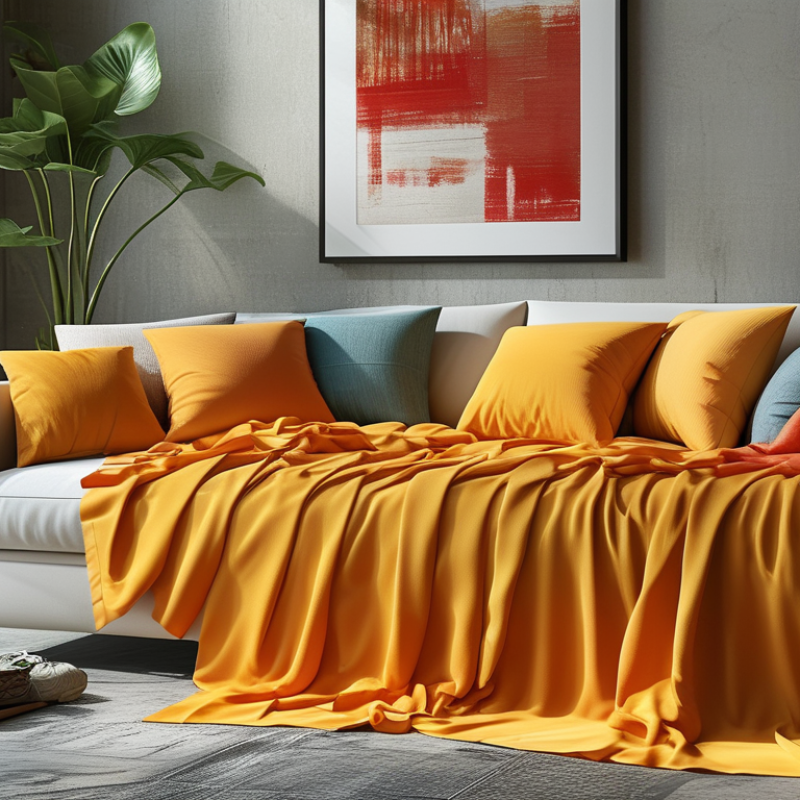
In 2026, polyester upholstery fabric continues to gain traction in the design world. Homeowners appreciate its durability and versatility. It's ideal for a variety of styles, from modern to classic. Many designers now opt for it, recognizing its ability to withstand wear while maintaining appearance. Unlike natural fibers, polyester resists stains and fading, making it a preferred choice for furniture in busy households.
The trend reflects a shift towards sustainable practices. Manufacturers are producing recycled polyester, which reduces waste and environmental impact. This innovation appeals to eco-conscious consumers. They look for high-performance materials that align with their values. Yet, there are still concerns. Some polyester fabrics can feel less luxurious than their natural counterparts. Consumers often seek a balance between durability and comfort in their selections.
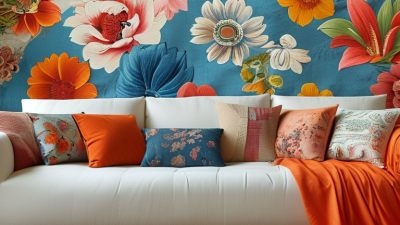
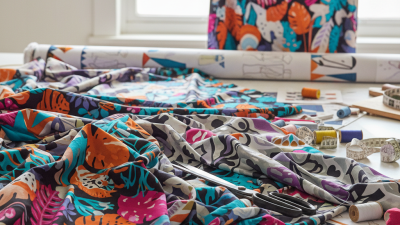
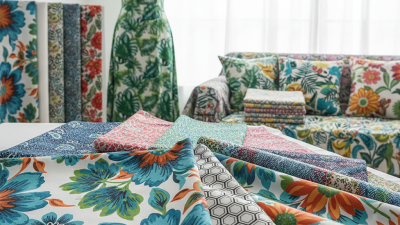
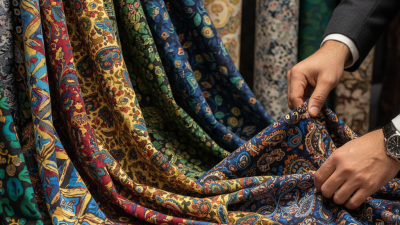
Polyester upholstery fabric also opens up a world of colors and textures. From vibrant prints to subtle tones, options abound. This variety allows for personal expression in interior design. However, not all fabrics are created equal. Shoppers need to consider quality and texture to avoid disappointment. In a rapidly evolving market, staying informed is key to making wise choices.
Best Polyester Upholstery Fabric Trends in 2026
Key Features of High-Quality Polyester Upholstery Fabrics
When selecting polyester upholstery fabric, consider key features that define quality. High-quality polyester should exhibit durability. Look for fabrics with tight weaves and high thread counts. These characteristics enhance resistance to wear and tear. Fabrics that maintain their color even under sunlight are essential. Colorfastness prevents fading, ensuring your upholstery looks vibrant for years.
Another important aspect is breathability. Quality polyester allows airflow, preventing moisture buildup. This feature is crucial for maintaining comfort, especially in high-use areas. Additionally, consider stain resistance. Fabrics that repel stains save time and effort in maintenance. However, some fabrics may still show marks over time, requiring occasional cleaning.
Texture plays a significant role in the overall feel of the fabric. Choose options that feel pleasant to the touch. While smooth finishes can be appealing, some might find them less forgiving with spills. A slightly textured surface can offer a balance of style and practicality. While polyester is known for versatility, some users might overlook how different treatments can affect longevity. Understanding these nuances is critical for making an informed choice.
Current Design Trends Influencing Polyester Fabric Choices
As we look ahead to 2026, polyester upholstery fabric is trending due to several emerging design influences. The contemporary emphasis on sustainability is making eco-friendly polyester options popular. People seek fabrics that not only look good but also reflect environmental consciousness. Textures are evolving, with innovations leading to softer, more luxurious feels that mimic natural fibers.
Color palettes are shifting towards muted tones and earthy shades. These choices resonate with the desire for calm, serene spaces. Bold patterns are not disappearing entirely; however, there’s a growing preference for subtle designs that enhance, rather than overwhelm, a room's aesthetics. Designers are exploring how polyester can adapt to these trends, bringing versatility to modern interiors.
While the future of upholstery fabric looks bright, challenges remain. It’s crucial to balance aesthetic appeal with durability. Many polyester fabrics still lack breathability compared to natural fibers, which can affect comfort. Additionally, ensuring a truly sustainable process for producing these fabrics is vital. These reflections suggest that while polyester is a staple in modern design, true innovation is still a work in progress.
Sustainability Considerations in Polyester Upholstery Selection
The trend toward sustainable upholstery choices is shaping the future of polyester fabrics. Many consumers and designers prioritize eco-friendliness in their selections. This shift reflects a growing awareness of the environmental impact of textiles. Polyester, often criticized for its ecological footprint, is starting to evolve. Recycled polyester is gaining traction, as it reduces waste. It repurposes plastic bottles and other materials, transforming them into functional fabrics. This innovative approach appeals especially to those who seek to minimize their carbon footprint.
However, not all recycled polyester is created equal. Some production processes still consume considerable resources. Consumers must research and ask questions about sourcing. Understanding the lifecycle of the fabric is crucial. It’s essential to balance durability and sustainability when selecting upholstery. Many fabrics may look appealing but may not withstand daily wear. Thus, prioritizing longevity can prevent frequent replacements and contribute to sustainability goals.
Emphasizing transparency in the upholstery industry is vital. Brands should provide clear information about their fabrics. This includes details on sourcing, manufacturing methods, and end-of-life options. Consumers can feel empowered to make informed choices. They can support the movement towards ethical production and sustainable fabrics. By holding companies accountable, we can foster more responsible practices in the textile industry.
Top Brands Leading the Polyester Upholstery Fabric Market in 2026
The polyester upholstery fabric market is witnessing significant changes as we approach 2026. Industry reports indicate that the demand for this durable and versatile fabric is set to grow by 15% annually. This increase can be attributed to rising consumer preferences for sustainable and affordable upholstery options. Several leading brands are positioned well in this market, focusing on innovation and eco-friendly practices.
One notable trend is the introduction of recycled polyester materials. Reports show that approximately 60% of new polyester fabrics are now made from recycled plastics. This shift not only meets consumer demand but also helps in reducing environmental impact. Brands that prioritize sustainability are expected to capture larger market shares. However, there are challenges. Not every manufacturer can ensure the same level of quality and durability with recycled materials.
Design trends are also evolving. Bright colors and unique textures are becoming increasingly popular in upholstery fabrics. Data reveals that nearly 70% of consumers now seek multifunctional designs that cater to both aesthetics and functionality. While this shift offers opportunities, it also requires brands to reassess their design philosophies. The balance between style and durability must be carefully managed. As we move towards 2026, the polyester upholstery market is ripe for innovation and re-evaluation.
Best Polyester Upholstery Fabric for 2026 Trends
| Fabric Type |
Durability (Martindale Test) |
Color Variety |
Eco-Friendliness |
Price Range (per yard) |
| Heavyweight Polyester |
50,000 |
50+ |
Moderate |
$15 - $20 |
| Soft Microfiber |
30,000 |
30+ |
High |
$10 - $15 |
| Textured Velvet |
40,000 |
20+ |
Low |
$20 - $25 |
| Recycled Polyester |
35,000 |
40+ |
High |
$12 - $18 |
| Woven Polyester |
45,000 |
60+ |
Moderate |
$14 - $19 |